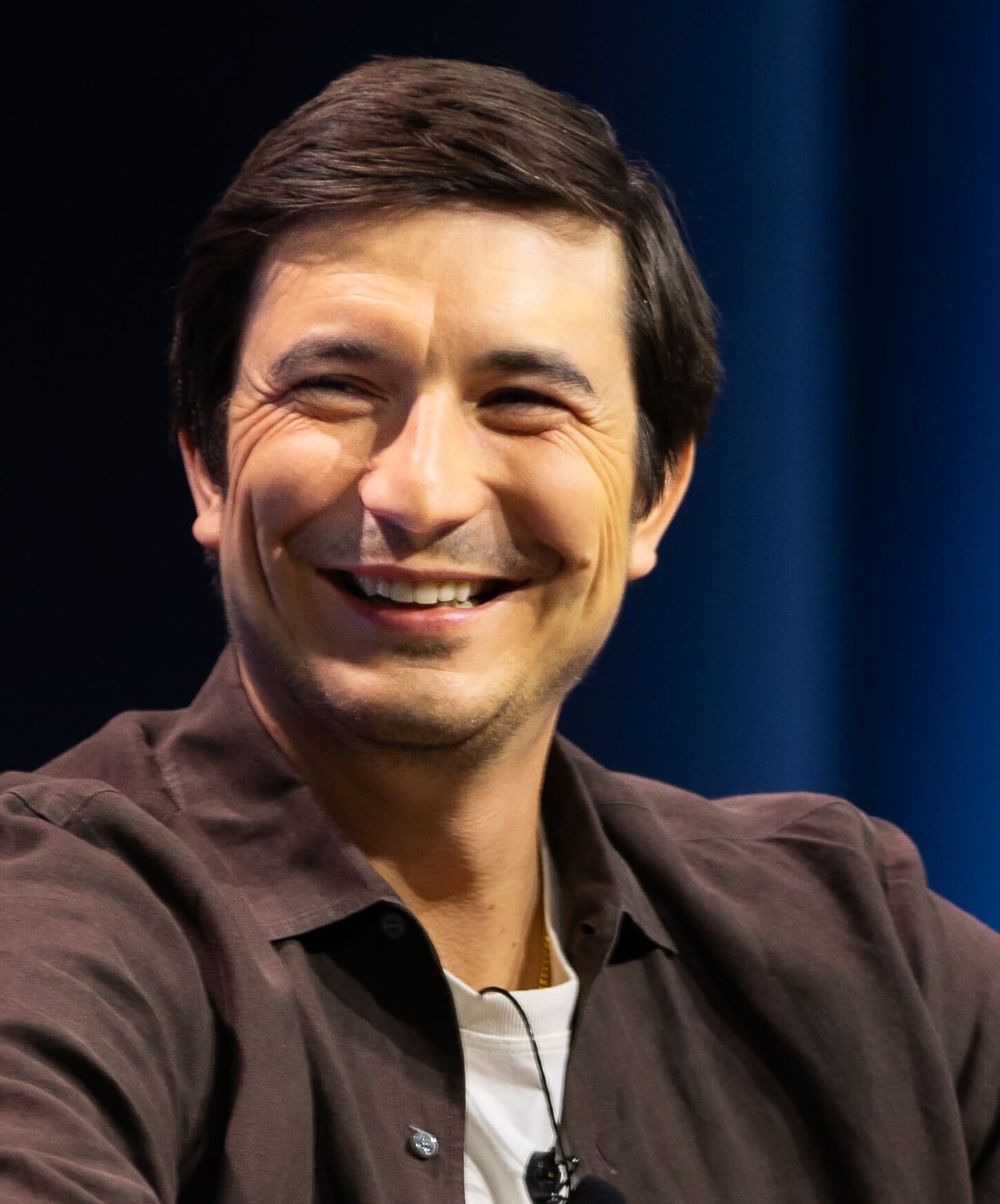
Robinhood chief executive Vlad Tenev has used a CNBC Squawk Box appearance to defend the company's aggressive expansion into prediction markets, brushing off academic warnings about retail traders being out-traded by algorithmic bots, an oncoming Supreme Court fight, and a fresh Warren Buffett broadside about Wall Street becoming a casino.
The interview followed comments from Commodity Futures Trading Commission chair Mike Selig at the Milken Conference, who confirmed the agency is watching circuit-court splits over whether platforms like Kalshi and Robinhood-listed event contracts fall within federal regulatory authority. "Going to the Supreme Court. We may have a split in the circuits. We'll watch these cases closely. But what's important is we continue to adhere to our federal regulatory statutes and adhere to the law," Selig said.
Tenev's framing of Robinhood's role was unambiguous. "We're building a financial super app, serving our customers across any asset class, any financial transaction anywhere in the world," he said. He positioned prediction markets as a category that broke into the mainstream during the 2024 US presidential cycle and now sits at the intersection of trading and information discovery.

"It's not only a tool to help traders specialize," Tenev said. "You can specialize in all sorts of things, but it's a great source of information. It's like a complement."
Pushed on whether the information value of prediction markets is undermined by manipulation, Tenev leaned on Robinhood's regulated-entity status. "We're coming into this as a regulated financial services company, complying with US laws," he said. "And a lot of things get funky when you amalgamate all the offshore platforms."
The interview turned sharper on the question of whether retail traders are being out-played by bots. CNBC put to Tenev a recent academic finding that on platforms like Kalshi and Polymarket, a tiny minority of traders generate the bulk of profitable volume, with most retail participants effectively net losers — partly because algorithmic systems trade contracts earlier and at better prices than late-arriving humans.
Tenev did not directly dispute the framing, but argued the bot-versus-retail dynamic is itself shifting. "The algorithmic bots are a relatively new thing," he said. "With a lot of these AI tools that are coming on, you actually are starting to see some retail investors writing these themselves. You know, they'll ask Claude or Codex to generate a strategy for them. And we're thinking about, okay, right now you have to be like a quant or an engineer to do this, but can we make it so that everyone can have access to this powerful technology?"

Sports markets were the next pressure point. Former CFTC chair Gary Gensler has argued in recent days that Congress never contemplated event contracts being used to wager on sports outcomes when the relevant statutes were drafted, and that state-level gambling rules would have stopped the framework cold had legislators known. Tenev acknowledged the argument has weight while pushing back on its conclusion.
"Sports is a much bigger chunk of the economy than it was 20 years ago," he said, pointing to the rise of NBA and MLB franchise valuations and broader convergence between business, finance and sports. "Sports actually is probably one of the few human things where we have high confidence it's not going to be automated away. So you don't want to watch self-driving cars racing around the track."
The most pointed challenge came on Warren Buffett's weekend Berkshire Hathaway annual meeting comments — captured in a Becky Quick exchange — where Buffett distinguished between "the church" of long-term investing and "the casino" of speculation, saying far more people are now playing in the casino than they used to.
Tenev rejected the framing that Robinhood's prediction markets and active-trading products belong on the casino side of that divide. "We have a trading side of the business where customers are actively trading, and some of them actually are quite systematic and sophisticated about it," he said. "And of course, you have some customers who are just trading because they like a certain team. But as with any market, you have lots of participants."

For Robinhood, the policy question now sits with the courts. A Supreme Court ruling that narrows the CFTC's interpretation could blunt the entire event-contract category — and with it, the prediction-markets growth story Wall Street has been pricing into Robinhood and Kalshi. For Tenev, the bet is that prediction markets are too embedded, too useful as information signals, and too tied to AI-augmented retail trading to be rolled back through litigation.