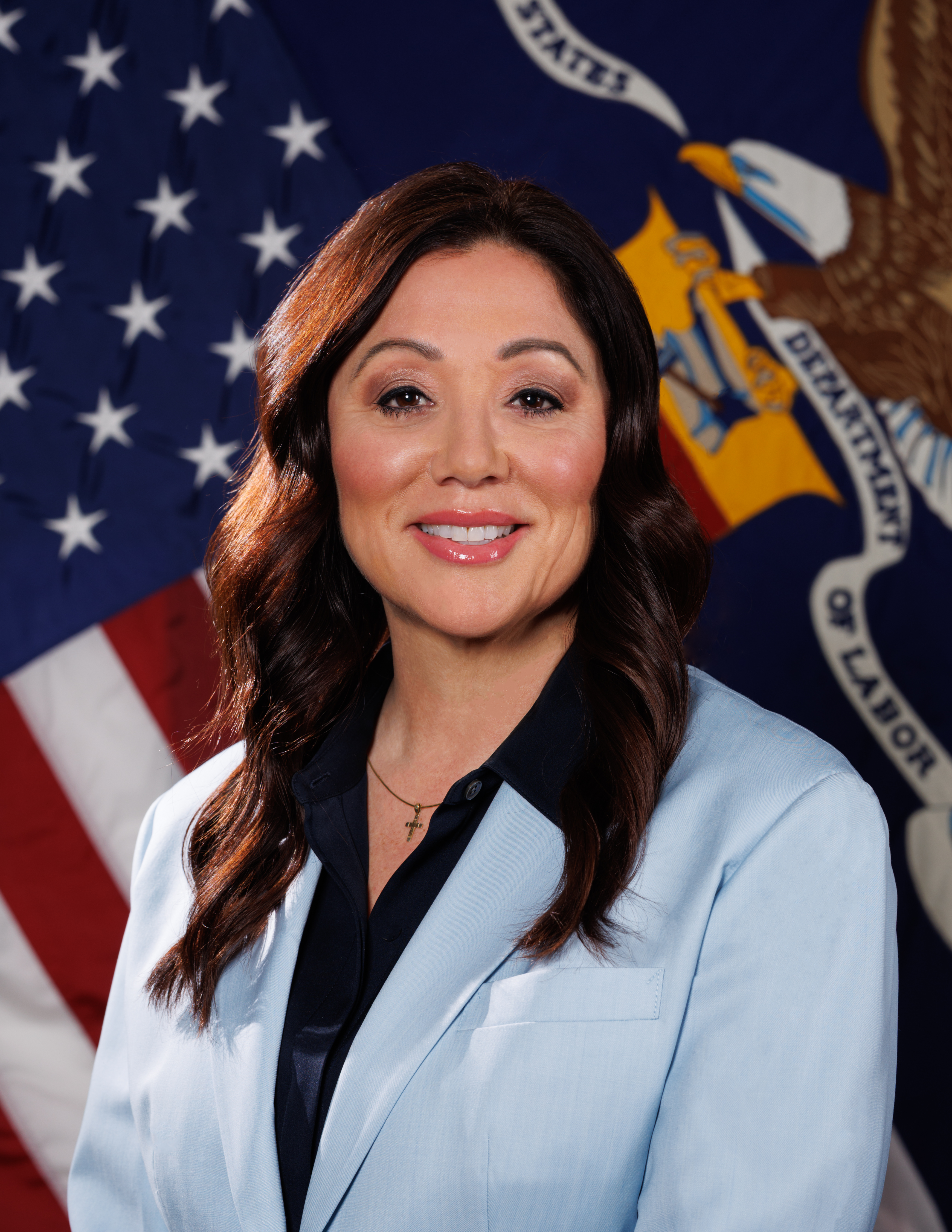
Labor Secretary Lori Chavez-DeRemer has formally proposed a Department of Labor rule that would clear the path for cryptocurrencies, private equity and other alternative assets to enter the $9-trillion 401(k) plan ecosystem, framing the move as a long-overdue update to retirement-investing guidance.
"This proposed rule will show how plans can consider products that better reflect the investment landscape as it exists today," Chavez-DeRemer said in announcing the proposal. The framing — that today's retirement menu lags real markets — is the centrepiece of an effort that traces back to President Donald Trump's August 2025 executive order directing Labor to reopen guidance on private market and digital investments inside defined-contribution plans.
The rule does not directly mandate crypto in 401(k) plans. Rather, it loosens the fiduciary safe-harbour interpretations that have historically pushed plan sponsors away from including bitcoin funds, private credit, or similar non-traditional sleeves. Plan trustees still retain ultimate liability under ERISA, but the proposed rule reduces the chilling effect of decades-old DOL letters that warned against alternatives.

That regulatory shift comes as crypto markets remain caught in a broader macro storm. Bitcoin and ether are in the middle of a multi-week pullback driven, in part, by Iran-war uncertainty.
"Digital currencies are bouncing back today but still posting weekly losses due to ongoing uncertainty around the Iran war," CNBC's Mackenzie Sigalos summarised on Crypto World — capturing the choppy backdrop in which the DOL is trying to expand crypto access to mainstream savers.
The cautious framing on Capitol Hill, and on Wall Street, is that even with the rule finalised, take-up inside 401(k) plans will be modest. Industry experts polled by CNBC predicted that adoption of crypto and other alternative assets in 401(k)s could be slow even after a final rule, with most plan sponsors expected to dip in rather than dive in. Plan trustees face fiduciary scrutiny, fee-pressure litigation risk and limited demand from the median plan participant — all of which combine to make the path from rule allows it to default fund includes it a multi-year journey.
For crypto issuers, the political win matters more than the day-one flows. A formal DOL endorsement of alternative assets inside the retirement system anchors crypto further into the regulated US financial plumbing — building on the prior wave of spot-bitcoin ETF approvals and the GENIUS Act stablecoin regime now under discussion.

For 401(k) sponsors, the practical question is what kind of products will qualify. The rule contemplates not only bitcoin but tokenised real-world assets, private equity and private credit sleeves — each carrying its own liquidity, valuation and disclosure complications inside daily-priced 401(k) menus.
Chavez-DeRemer's reflect the investment landscape line is likely to outlive this rule cycle. The question is whether the plumbing — recordkeepers, custodians, target-date fund managers — moves fast enough to make alternatives a real part of America's retirement experience this decade, or whether they remain a niche sleeve while plan sponsors wait for the next Department of Labor to revisit the guidance again.