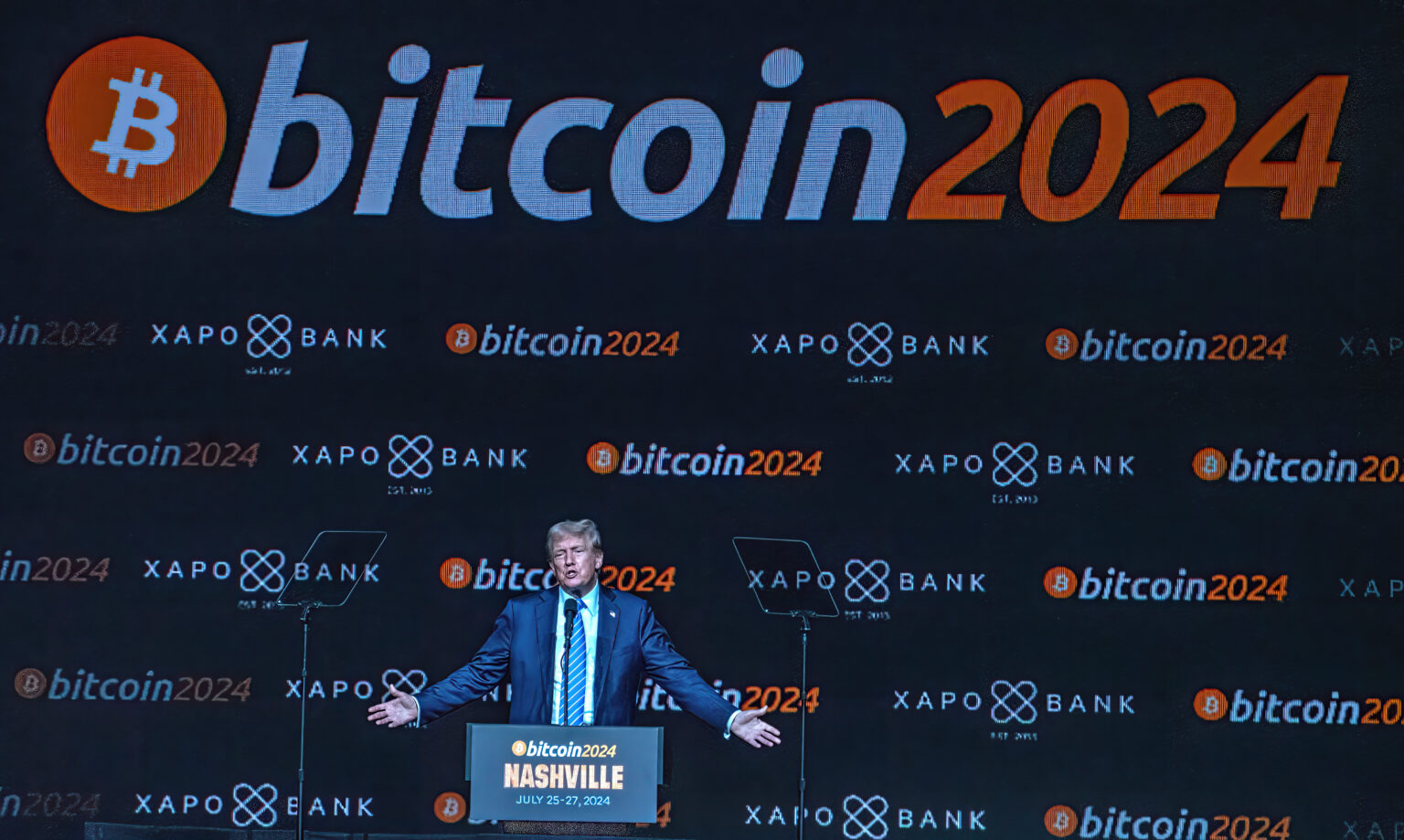
Donald Trump's 2024 pledge to make the United States 'the crypto capital of the planet' is no longer a campaign-trail flourish. It is the explicit policy reference point for a Republican-led Congress now grinding through the most consequential digital asset legislation the country has ever produced, and a CNBC-aired interview with one US lawmaker spelled out the political stakes in unusually blunt terms.
Trump's original line, delivered on stage at Bitcoin Nashville at the height of his second presidential campaign, has been re-aired repeatedly inside the industry as a kind of policy north star.
"This afternoon, I'm laying out my plan to ensure that the United States will be the crypto capital of the planet and the Bitcoin superpower of the world. And we'll get it done," Trump told the crowd at the time. "If crypto is going to define the future, I want it to be mined, minted and made in the USA. It's not going to be made anywhere else. And if Bitcoin is going to the moon, as we say, it's going to the moon. I want America to be the nation that leads the way, and that's what's going to happen."

It was an unusual moment in Trump's political arc. He had spent his first term openly hostile to digital assets, calling Bitcoin 'a scam against the dollar' in a 2021 Fox interview, and only pivoted to a crypto-friendly stance during the 2024 race as the industry organised itself into one of the most well-funded political action committees in Washington.
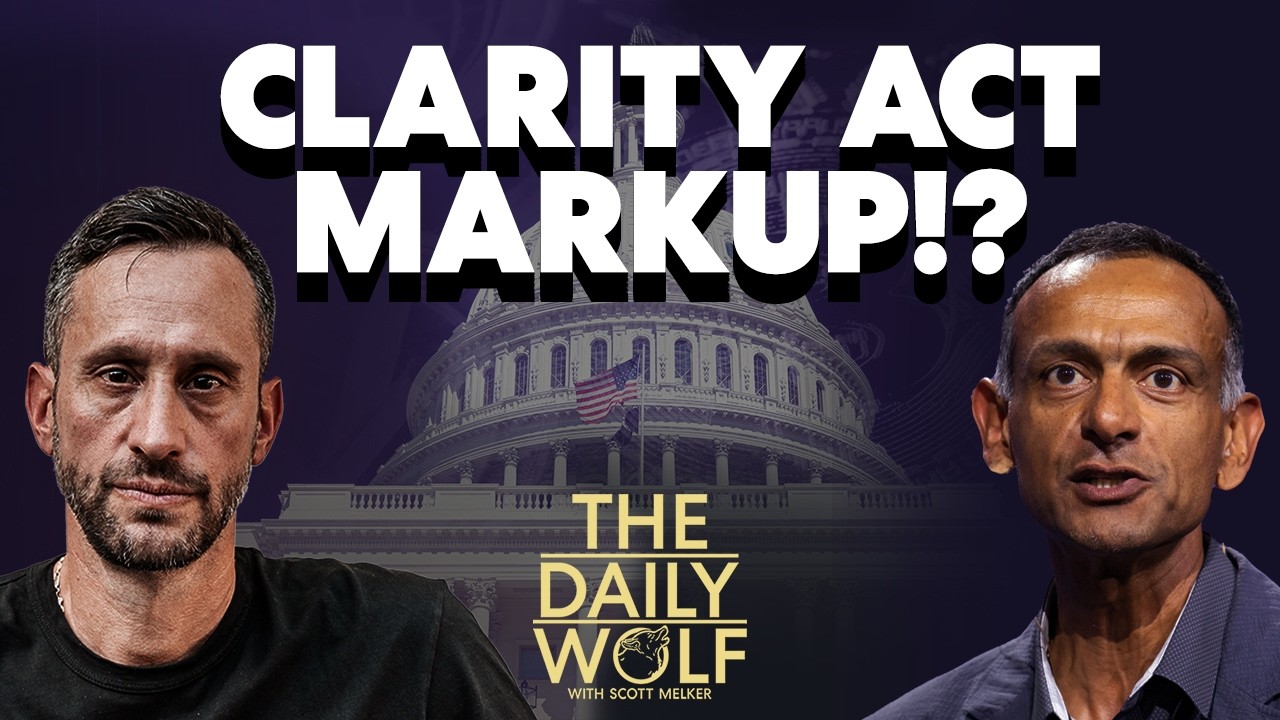
That pivot has since hardened into legislative ambition. Lawmakers from both parties have spent the months since Trump's inauguration trying to translate the rhetoric into operative law, with the Genius Act on stablecoin issuance now on the books and the Clarity Act on broader crypto market structure caught in the late-stage horse-trading that defines big financial bills in the Senate.
"We're finally embracing President Trump's goal of having the United States remaining the digital asset capital of the world," the lawmaker said. "We shouldn't be ceding that role to the United Arab Emirates or to Singapore. Even Japan, which is notoriously cautious, has a more robust digital asset regulatory framework than we do because they're starting to embrace innovation. And it's very important the United States retain that role."
The comparison set is not chosen at random. The UAE has spent the last three years building an explicit fast-lane for digital asset issuers and exchanges through Abu Dhabi Global Market and the Dubai Virtual Asset Regulatory Authority, and now hosts a meaningful share of the world's largest centralised exchanges and stablecoin issuers. Singapore's Monetary Authority has taken a slower but similarly intentional path, licensing institutional players while clamping down on retail-facing crypto marketing. Even Japan, the lawmaker's most striking name-check, now allows yen-denominated stablecoin issuance under bank licenses and runs a clearer broker-dealer regime for tokenised securities than the United States does.
The political read is that those frameworks did not appear by accident. They appeared because their host jurisdictions made a strategic decision that crypto issuance, custody and exchange revenue is mobile capital that will go wherever the rules are predictable, and that the country slow to move will lose it.
Trump's Nashville framing is the same argument in reverse. It treats digital assets as industrial capacity to be domiciled, not just regulated, and it is the through-line that connects White House executive orders, Treasury rule-making at OCC and FinCEN, and the live legislative fights over stablecoin yield and broker definitions that will define the back half of 2026.
Whether that ambition survives contact with Senate procedure remains the unanswered question.