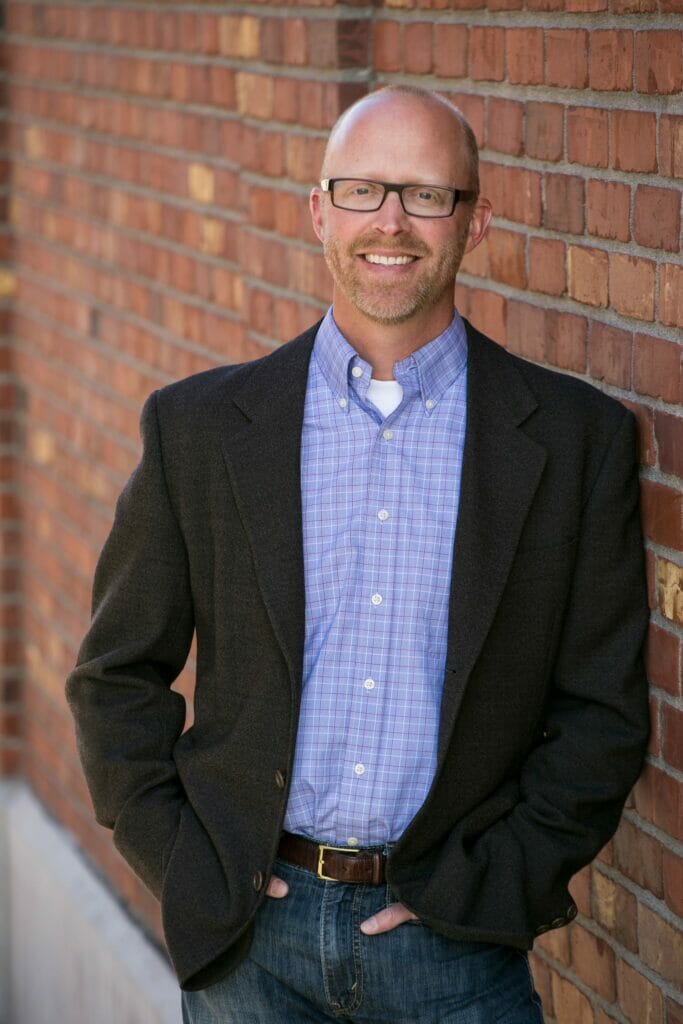
Independent strategist Jesse Felder used a fresh sit-down with Wealthion to argue that the bond market is sitting on a powder keg of its own making — and that anyone trying to read where Treasury yields go next is looking at the wrong dashboard.
Felder, who runs The Felder Report and has spent two decades writing on the relationship between commodities and rates, told Wealthion that traders who fixate on Federal Reserve communication are missing a far more reliable signal sitting on the Bloomberg terminal in plain sight.
"Commodities are one of the best leading indicators of interest rates by about six months," Felder said. "If you just look at the Bloomberg commodity spot index advanced at six months over the 10-year Treasury yield, it pretty much tells you which direction Treasury is going to trend, and that makes sense because commodity prices drive inflation, and inflation affects the bond market."

That relationship matters, in his view, because the commodity complex has not been quietly drifting. It has been ramping for the better part of half a year, with crude, gold and a basket of industrial metals taking turns at the top of the leaderboard as the Iran shock, Hormuz risk premium and a soft dollar all reinforce each other.
Felder's reading is unambiguous. "Right now commodities have been soaring for the last six months," he said. "So that basically says right now is a really vulnerable time for the bond market where we could see interest rates in the long end break out to new highs."
He was specific on the level. The 10-year, he noted, was sitting in the low 4.4% range at the time of recording. "We're still under 4 and a half on the 10-year yield, rate around 4.4, I think," Felder said. "But I think we could see it over 5% pretty easily in a short period of time."
The Felder warning lands at an awkward moment for risk markets. Equities have rallied through April even as long-end yields refused to cooperate with the soft-landing narrative, and FOMC dissents over the past month have already telegraphed that the long end is increasingly setting policy on the Fed's behalf.

For Felder, the equity flow-through is the part most people understate. He noted that a 5%-handle on the 10-year would not arrive politely. It would arrive via the kind of yield-curve volatility that breaks correlations and forces forced selling out of leveraged carry trades.
"If you get that type of volatility in the bond market," he said, "that's usually bearish for stocks, stock prices as well."
The call slots into a wider Wealthion thread that has been building for months — Steven Feldman in February sketched a U.S. debt-wall-meets-war-risk reckoning for 2026, while Chris Casey told the same channel that cash would be king. Felder's contribution adds a near-term mechanical channel: commodities set inflation expectations, inflation expectations set the long end, and the long end is now the constraint on the rest of the asset stack.
Notably, Felder did not anchor his view to a Fed decision. The argument is structural — commodities lead yields by half a year, and the lag is now running out. If the relationship holds, the next move higher in long rates is largely already in the tape, regardless of what Fed Chair-elect or his successor signals at the next FOMC.
For portfolio construction, the implication is uncomfortable. Equity multiples that have re-rated through April have been priced off long bond yields that, in Felder's framework, are due to break higher. Anything trading on the assumption that Treasury yields plateau or grind lower from 4.4% may be running headfirst into the very volatility regime he is flagging.
Felder did not put a timeframe on when the 5% level cracks, only that it could happen "pretty easily in a short period of time." The word he used was "vulnerable." For a market that has spent six weeks pricing the opposite, vulnerable is a word worth listening to.