
Steve Eisman, the fund manager who made his name and his fortune shorting subprime mortgages in 2007 and 2008, has returned to the airwaves with a blunt warning for the Federal Reserve and the investors cheering every dovish headline out of Washington.
"You could raise rates, all prices are higher anyway," Eisman said. "You could lower rates, all prices are higher anyway. You do nothing, all prices are higher anyway. All you're going to do is slow the economy. Is that really what you want to do?"
The line, delivered to camera with the same deadpan frustration that Steve Carell channelled for the 2015 film The Big Short, captures what Eisman believes is the central contradiction of Jerome Powell's final year in the chair: monetary policy no longer has a clean lever to pull on inflation.

This is not the first time Eisman has positioned himself against consensus. In 2006 and 2007, while Wall Street insisted that securitised subprime mortgages were a durable AAA-rated asset class, Eisman was running one of the largest short books in the industry. When the collapse arrived, his fund recorded what became one of the signature trades of the crisis. Michael Lewis's book, and the film that followed, turned him into a household name.
Nearly two decades on, the target of his attention has shifted from mortgage-backed securities to the Federal Reserve itself — and specifically to the trillions in government debt that has to be refinanced into the current rate environment.
Eisman's argument is structural. With the federal debt above $38 trillion and a growing share of it short-dated, the Treasury must roll maturing bills at whatever rates the market sets. The Fed can influence those rates at the short end. But the supply-driven inflation that Eisman is most worried about — tariffs, reshoring premiums, energy shocks from the Strait of Hormuz, the capex explosion in AI data centres — does not respond to monetary policy in the way the 1980s textbook suggests.
That means rate cuts, which markets have been pricing in with escalating enthusiasm throughout 2026, may not deliver the disinflation investors assume. And rate hikes, politically unthinkable during an election cycle, would simply slow the real economy without reining in the price increases that are being generated outside the Fed's reach.
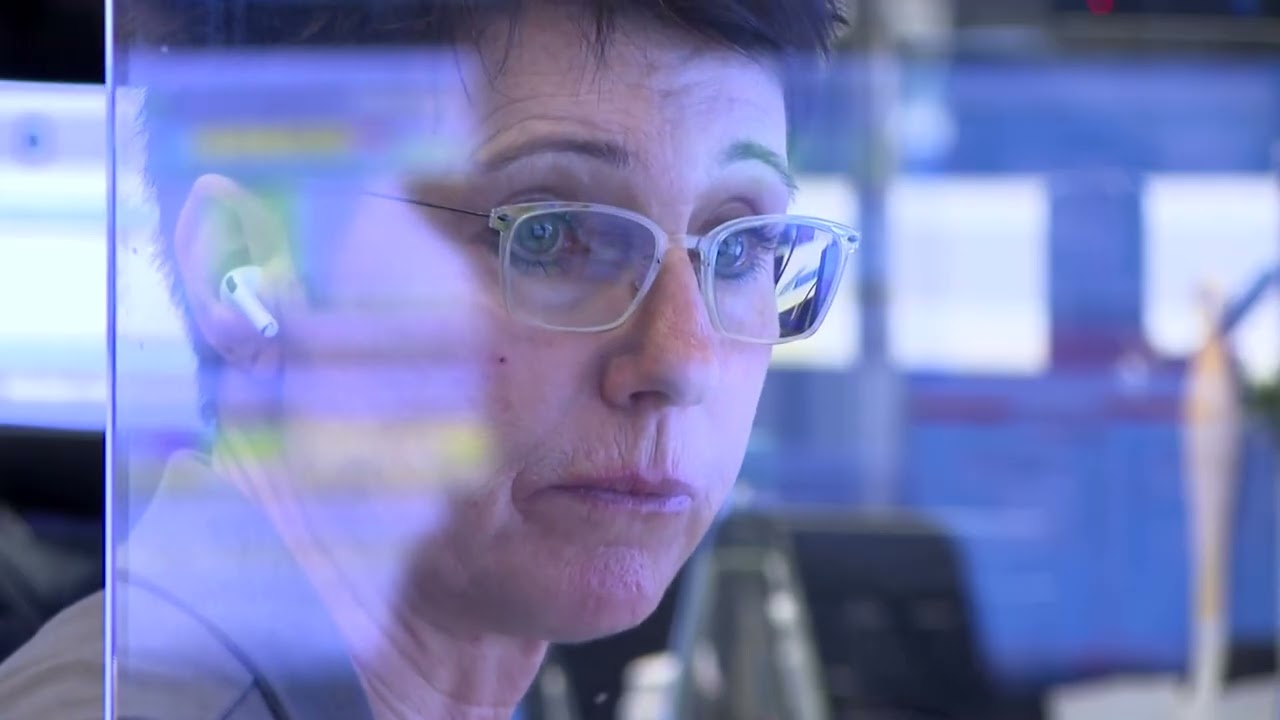
"He is not a sensationalist. He is not a perpetual doomer," the video's narrator notes, reinforcing Eisman's reputation as a data-driven investor rather than a permabear. "He is a data-driven, methodical investor with a razor-sharp record."
The implication for retail and institutional investors is uncomfortable. Equity markets have repeatedly rallied on expectations of a dovish Fed pivot, most recently after Cleveland Fed president Beth Hammack said rates would stay on hold "for a good while" and Fed governor Christopher Waller insisted cuts were still alive. Each dovish signal has added billions to the S&P 500.
If Eisman is right, those rallies are built on a misreading of what the Fed can actually deliver. Even a deep cut cycle would, in his framing, leave inflation stuck above target while measurably slowing GDP and employment growth — the classic stagflation outcome that Paul Volcker spent the early 1980s explicitly trying to break.
The Big Short did not just predict a housing crisis. It predicted a broader failure of institutional judgment — regulators, rating agencies, and fund managers all looking at the same data and drawing the wrong conclusions because the right conclusion was politically and professionally inconvenient. Whether Eisman's 2026 thesis proves equally prescient will depend on whether the Fed can escape a trap that, in his telling, it has spent more than a decade building around itself.