
Senate Banking Committee chairman Tim Scott has labelled Jerome Powell's decision to remain on the Federal Reserve Board of Governors after losing the chair a "significant mistake", arguing the move breaks a 75-year precedent and risks creating a damaging clash of philosophies inside the Fed just as Kevin Warsh prepares to take over.
Scott, the South Carolina Republican who shepherded Warsh through the Senate Banking Committee on a party-line vote, made the comments in a fresh C-SPAN interview shortly after the panel cleared the nominee for a confirmation vote on the Senate floor.
He framed Powell's choice not as a legal question but as an institutional one.

"The truth of the matter is he's breaking 75 years of precedent. Every time you get a new chairman, the former chairman leaves. That's the good news, because what you don't want are these philosophies in conflict. And I think Jay Powell is making a significant mistake. Significant decision, but really bad one. I think it's for the country and for the Fed, it would be best if he left," Scott said.
Under the Federal Reserve Act, Powell can remain a Fed governor until 31 January 2028 when his governor term expires, separate from the four-year chair term he completed earlier this year. Past chairs from Paul Volcker through Janet Yellen have stepped down from the board on losing the chair, leaving the new chair to assemble their own consensus without a recent predecessor in the room.
"The Fed, as you know, the chairman doesn't have unilateral control. He has to rule by some sort of consensus. And he would be there. So how do you get rid of him? Prayer," Scott said. "Lord, we need some prayer on this issue. Honestly, I think it's going to be his decision. All signs point to his departure before 2028, but I do think he's maybe just poking the president in the eye a little bit."
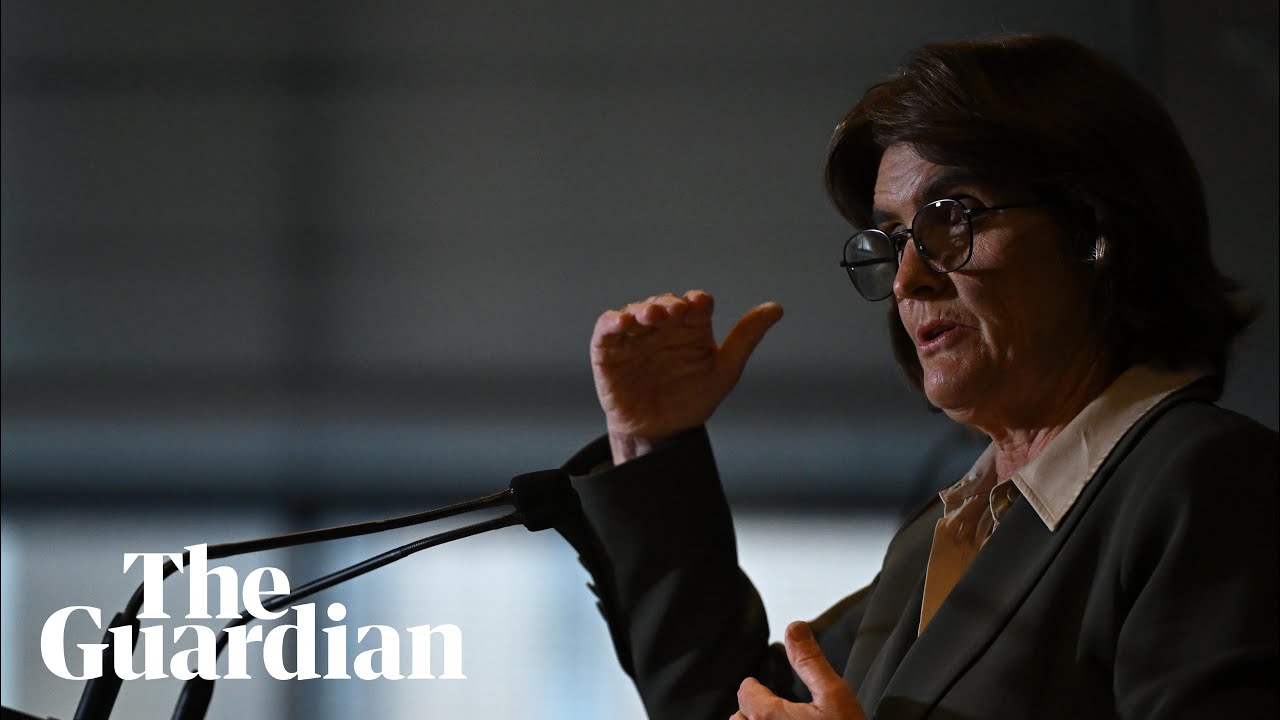
The comment lands as the broader political fight over the Fed becomes increasingly personal. President Donald Trump has spent months publicly criticising Powell's rate-setting record and called for his removal more than once. Trump's tap of Warsh, a former Fed governor and son-in-law of Estée Lauder heir Ronald Lauder, has been described by Senate Democrats including Elizabeth Warren as putting a "sock puppet" inside the Eccles Building.
For markets, the open question is what kind of FOMC Warsh runs with Powell still seated. The Coin Bureau team flagged Warsh's confirmation hearing as one of seven separate catalysts crowding into the May macro window, alongside the Clarity Act deadline, $373 billion of Buffett cash and the Iran war's drag on energy prices. A more hawkish Warsh than rates futures currently price would put pressure on equities, Treasuries and crypto risk simultaneously. A dovish surprise, paired with Powell continuing to vote on the committee, would create the unusual situation of a former chair voting against his successor's policy stance for the first time in modern Fed history.
Scott is one of the few Republican senators with a track record of backing Powell on individual decisions over the past decade. His public framing of Powell's decision to stay as a "significant mistake" leaves Warsh with limited cover from his own party if the new chair tries to negotiate a graceful exit, and signals that the political ground is now firmly behind a clean break at the top of US monetary policy.