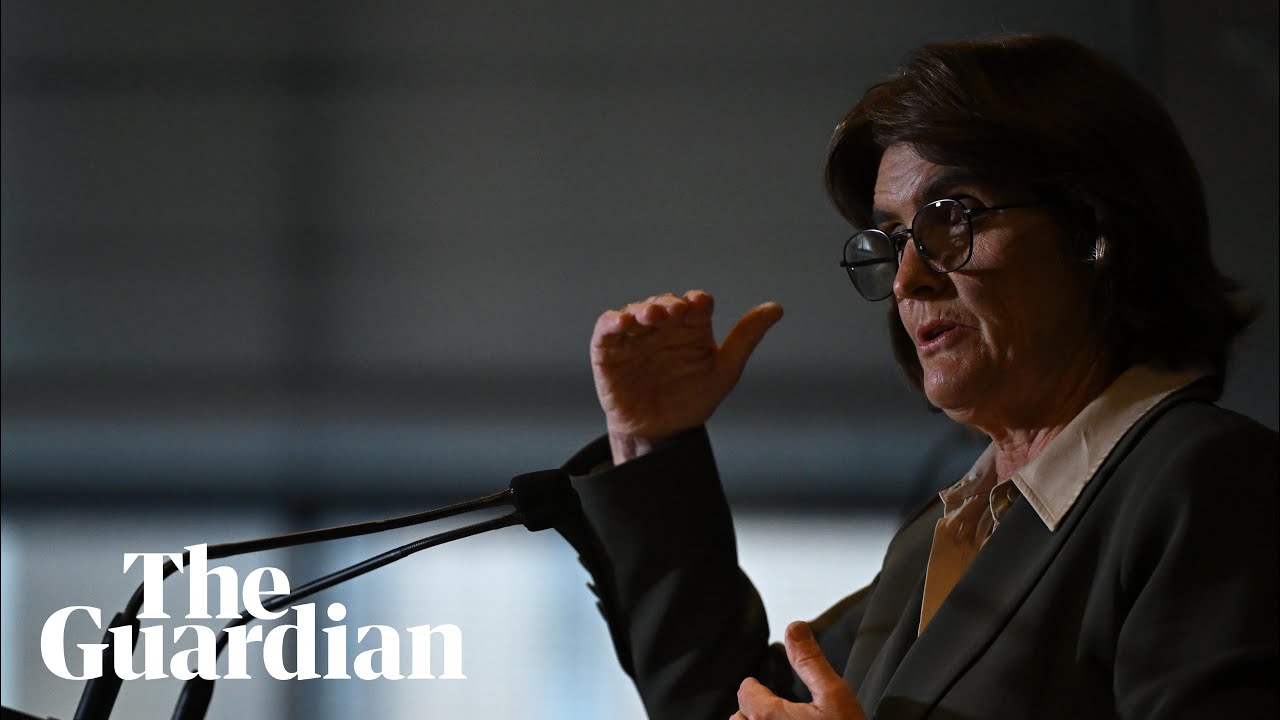
The Reserve Bank of Australia raised its cash rate by 25 basis points to 4.35% on Tuesday afternoon, the third increase of 2026 and a level Governor Michele Bullock described as 'a bit restrictive' as the bank scrambles to head off a fresh inflation surge driven by the Middle East war.
The move takes the cumulative tightening so far this year to 75 basis points and effectively erases the three rate cuts the RBA delivered in 2025. The cash rate now sits at its equal highest level since November 2011.
Bullock used her post-decision press conference to frame the hike as unavoidable, even while conceding the pain it would cause households already battling higher fuel bills.

"These increases have been necessary to tighten financial conditions and slow growth in demand in the economy to ensure we get on top of inflation," Bullock said. "Inflation hurts all Australians because it eats away at the purchasing power of our money."
She was blunt about the new external shock complicating the bank's job.
"Developments in the Middle East remain highly uncertain, but under a wide range of possible scenarios, the conflict adds to global and domestic inflation," she said. "The shock to oil and some other commodity prices has worsened the trade-off between inflation and growth."
Bullock acknowledged that monetary policy could not directly counter the energy price spike, but argued tightening was needed to stop the shock embedding into wages and broader pricing decisions. "What these increases do however is help to contain the domestic inflationary pressures after the inflation due to oil and related commodity prices eases," she said.

Defending the decision in a separate exchange, the governor pushed back against suggestions the bank was being heavy-handed. "The interest rate is the tool we've got. It's blunt. It does affect people in different ways. It's the best way we've got of controlling inflation," she said.
All four major banks moved within hours to pass the increase on in full. On a $600,000 mortgage, minimum monthly repayments will rise by about $91, lifting the cumulative increase since February to $272 a month. A $1 million loan will cost roughly $152 more a month, or $453 since the start of 2026.
The RBA's central case now has headline inflation peaking at 4.8% in June before drifting back inside the 2 to 3% target by mid-2027. Bullock said the bank had downgraded its growth forecasts to a level she described as 'anemic'.
The response from economists was sharply split on whether more tightening is coming. Veteran forecaster Alan Auster warned the combined hit from the war and the rate move would push joblessness materially higher. "Unemployment would go up to about 4.8% which in layman's terms is about another 100,000 people on the dole by the end of the year," he said.

Westpac chief economist Lucy Ellis said the bank had read Tuesday's communication as more dovish than the underlying forecasts implied, with Bullock signalling that the three hikes in three months had bought the board 'space' to wait on the Iran outlook.
"If you look at the documents, the press release and the statement on monetary policy, you got the clear impression that they didn't think they were done tightening, that they had more to go," Ellis said. "What was interesting about the press conference is that the governor said, look, we've done these three rate hikes that was to address the inflation problem that we already had, and that gave the board space."
Westpac had previously forecast a peak of 4.85% this year. Ellis said that view was now under review, but she still leaned towards more hikes if oil stays elevated. "Based on what they think so far about the economy, we think there are still more rate hikes coming," she said.
The decision lands one week before the federal budget, where Treasurer Jim Chalmers is reportedly considering a one-off tax cut of up to $300 per worker. Ellis warned any new income support risks adding to the demand the RBA has just spent three months trying to suppress.
"I suspect that the RBA won't take a particularly positive view of some of those spending and taxation decisions," she said.