Tesla's first-quarter 2026 results included a line item that has become routine for any listed corporate holding Bitcoin on its balance sheet: a one hundred and seventy-three million dollar digital asset loss booked against the company's crypto position. The charge, flagged in the filing reviewed by analysts and picked up in post-earnings coverage, reflects Bitcoin's spring drawdown rather than any decision by Tesla to sell its holdings. The electric vehicle maker's BTC stack — unchanged for fourteen consecutive quarters — remained exactly where it was.
The accounting mechanics behind the number matter more than the dollar figure itself. Tesla, along with every other US-listed Bitcoin-holding corporation, now reports its digital assets under fair-value accounting following the FASB rule change that took effect for 2025 reporting periods. Under that regime, companies mark crypto to market each quarter, with mark-to-market losses flowing through reported earnings rather than being locked in only on sale. The upside is that gains hit the income statement during rallies; the downside is that quarterly P&L now carries the full volatility of whatever crypto assets sit on the balance sheet.
That is a stark reversal from the prior cost-less-impairment model, which only recognised losses when prices fell below cost and did not allow upward revaluations. Under the old rules, Tesla's Bitcoin position — originally acquired for one and a half billion dollars in early 2021 — would have sat at a deeply stale carrying value. Under fair-value accounting, the same position swings up and down with the spot market, generating paper losses during drawdowns like the current one and equally large paper gains on the rebound.

The important signal in the filing is what Tesla did not do. The company has not sold any Bitcoin during the recent weakness, maintaining the disciplined position it has held since a partial sale in 2022. For a CFO desk that has historically been willing to rebalance around treasury management needs, keeping the stack intact through a material drawdown is an implicit statement that Tesla continues to view BTC as a long-duration strategic reserve rather than a trading position.
That places Tesla in a narrow cohort. Only a handful of S&P 500 companies — most notably Strategy, formerly MicroStrategy, under Michael Saylor — hold Bitcoin as a treasury asset at meaningful scale. Others, including Block, Coinbase and a growing list of crypto-native public companies, carry BTC as an operational or strategic reserve. For non-crypto-native corporations, Tesla remains the most watched precedent, and its willingness to absorb a one hundred and seventy-three million dollar mark-to-market hit without trimming is a data point that other treasurers considering digital asset allocation will study carefully.
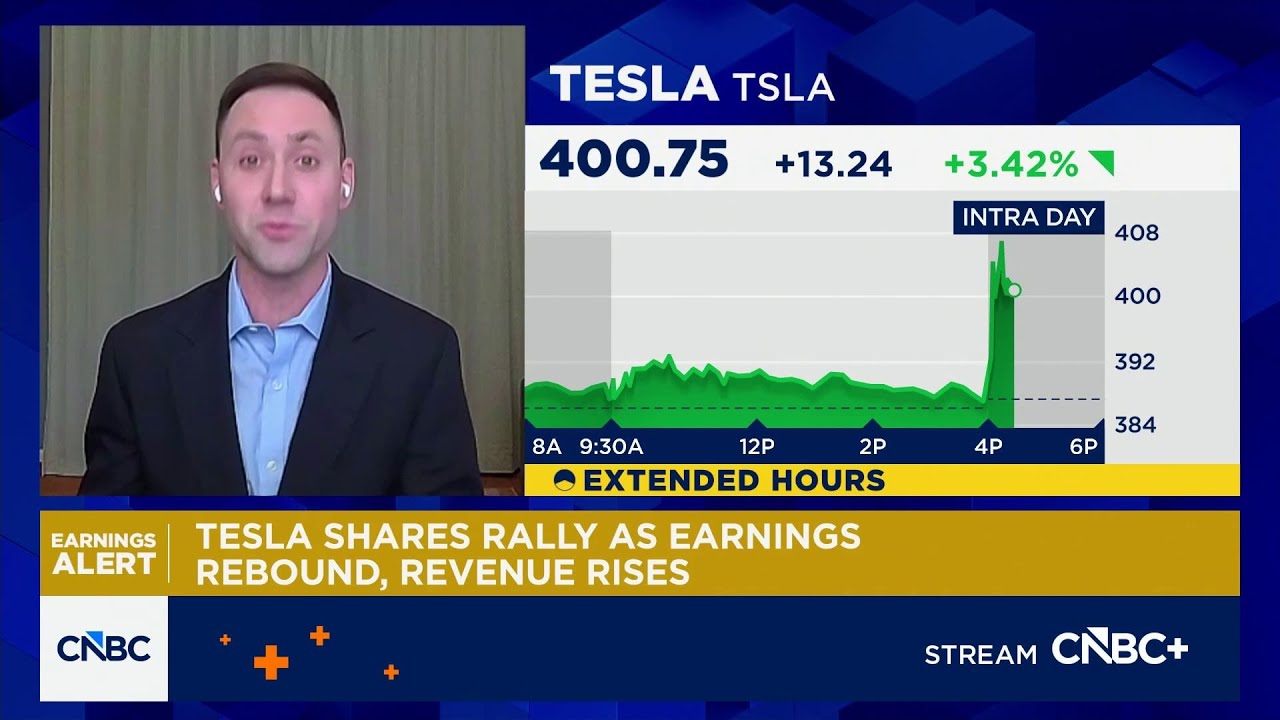
The Q1 print also underlines how quickly the conversation around corporate Bitcoin accounting has shifted. Three years ago, a one hundred and seventy-three million dollar crypto impairment would have dominated the earnings narrative and triggered activist pressure on management. In the 2026 filing season, it barely moved Tesla's share price — which closed higher on the day after the company reported an earnings rebound and accelerating revenue growth. Investors have clearly begun to separate operating performance from the fair-value swings of the Bitcoin sleeve, treating the latter as noise to be netted out over cycles.
That normalisation is, in its own way, a milestone for the corporate crypto treasury movement. If Bitcoin's balance-sheet presence is now treated by the market as a line item to be explained rather than an existential question, the bar for other companies to follow Tesla's lead comes down meaningfully.

For now, the status quo holds: a fresh impairment, an unchanged holding, and a treasury strategy that five years into implementation has moved from novelty to template.