Payward, the parent company of US crypto exchange Kraken, has agreed to buy Hong Kong stablecoin payments firm Reap Technologies in a transaction worth up to US$600 million. The deal is the largest M&A move in the Asia stablecoin race so far this year and lands inside the same week as Mastercard's US$1.8 billion BVNK acquisition.
The transaction will be paid in a mix of cash and Payward stock, values Payward itself at US$20 billion and is expected to close in the second half of 2026. Reap will keep operating independently under co-founder and chief executive Daren Guo, but it will plug into Payward's US and EU regulatory licences and global infrastructure to expand outside Asia.
Reap is exactly the kind of business that traditional payments analysts struggle to classify. It issues corporate cards, runs cross-border payouts and treasury management, holds regulatory licences across the Asia-Pacific and into South America, and participates in the Global Dollar Network. The unifying thread is that all of it settles in stablecoins by default rather than fiat. According to Guo, Reap nearly tripled both revenue and transaction volume in 2025.

Guo framed the deal as Reap getting the global rails it could not build on its own.
"The global stablecoin and crypto card market now exceeds $18 billion annually," Guo said, adding that the combination with Payward would let Reap connect stablecoin card payments to a broader suite of crypto-native financial services across Web3 and what he called "agentic commerce, and beyond."
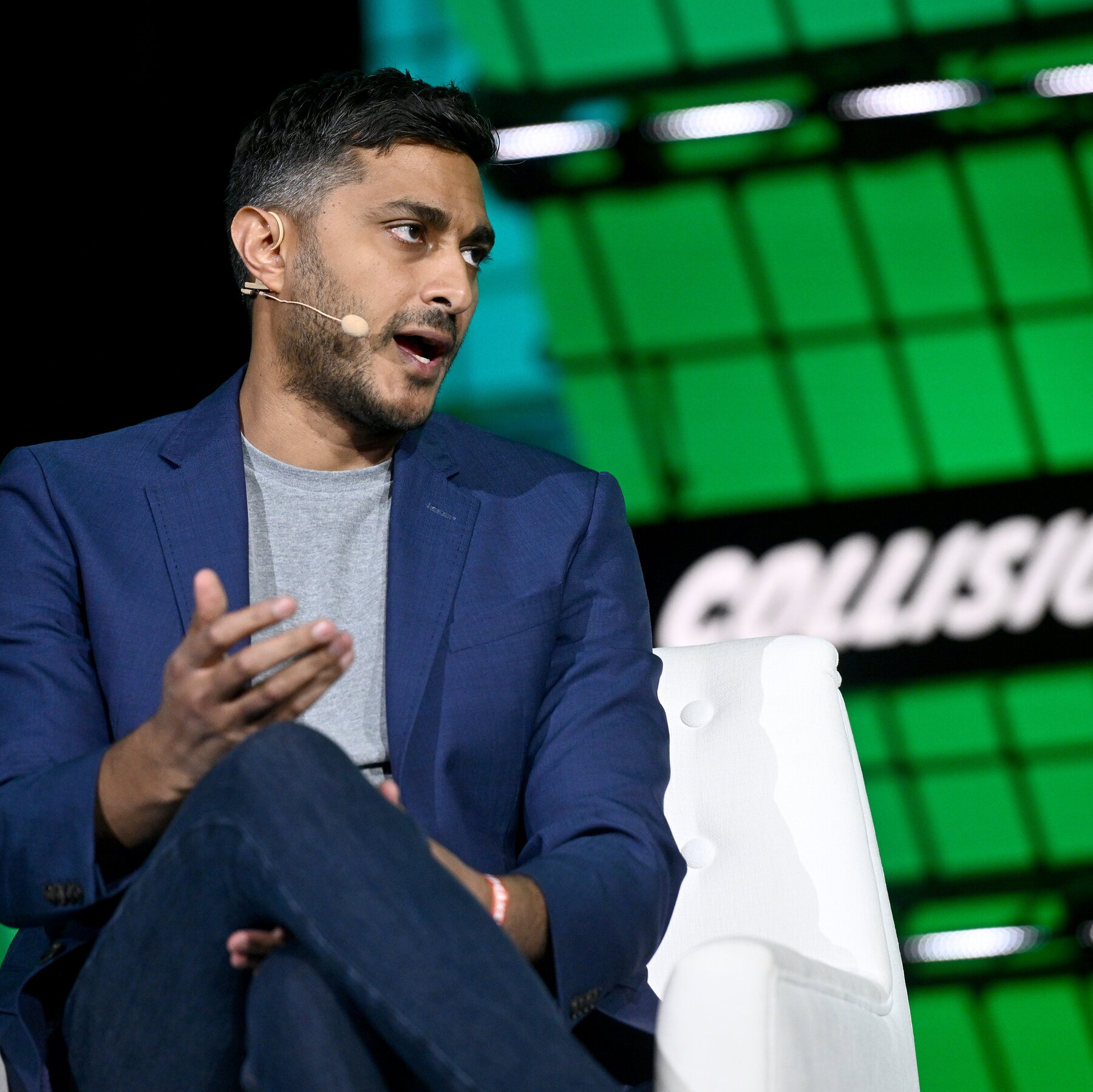
Payward co-CEO Arjun Sethi, the former Tribe Capital partner who took over alongside Dave Ripley last year, was even more expansive in his framing. He described Reap as "the payments layer for what comes next," and pitched the combined business as one that will run "card networks, banking rails, and blockchains on a single API, settling in stablecoins."
"The infrastructure for that world has to be open, regulated, and operational at global scale on Day 1," Sethi said. "It will be deployed." In separate commentary on the deal, Sethi described the resulting platform as a "settlement substrate" for a financial system that is moving toward programmable money and autonomous execution by software agents.

The strategic logic for Kraken is clear. The exchange has spent the past 18 months pushing past the standard spot-trading playbook and into the kind of B2B infrastructure that traditional payments companies sell to enterprises. Buying Reap accelerates that pivot, immediately gives Payward licensed card-issuance capability and bolts on a built-in beachhead in Asia, the region where stablecoin payments are scaling fastest outside the US.
The deal also lands the same week Coinbase booked a US$394 million Q1 loss and laid off 14% of its workforce, and the same morning that an AWS cooling failure took the Coinbase exchange offline for hours. The contrast between the two largest US-aligned crypto exchanges is now sharp: Coinbase is shrinking and pivoting to AI, while Kraken's parent company is buying its way into payments.
For Sethi, the bet is that the most valuable real estate in crypto over the next decade is not the exchange but the rails that move stablecoins between traditional finance, on-chain finance and the autonomous agents that increasingly transact between them. As of this week, he has paid up to US$600 million to own a piece of those rails.