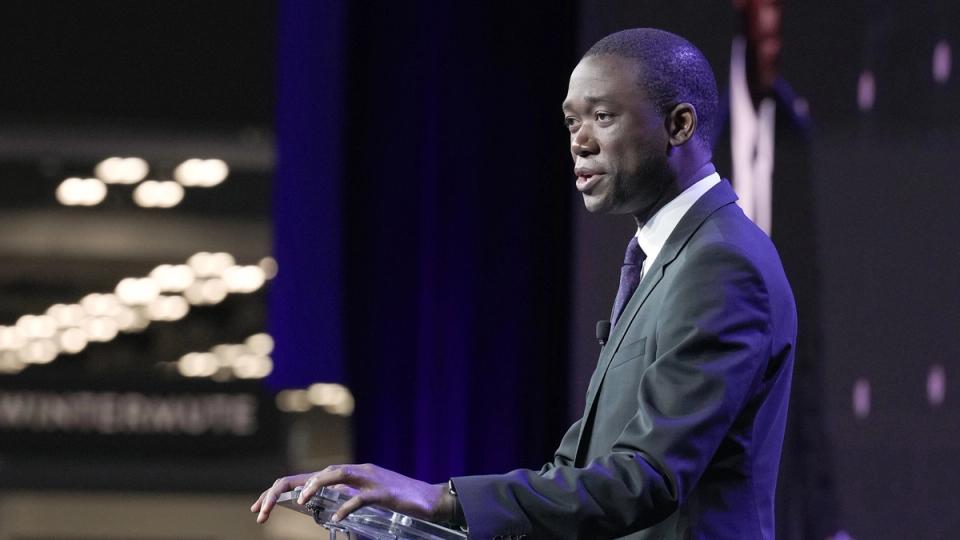
The U.S. Treasury Department is advocating for new legislative powers that would allow it to extend its oversight of cryptocurrency transactions globally, a move that could significantly alter the landscape of digital asset regulation. Deputy Secretary of the Treasury Wally Adeyemo has been actively engaging with Congress, urging lawmakers to equip the department with enhanced authorities to combat illicit financial activities associated with cryptocurrencies.
In a recent speech, Adeyemo described the proposed measures as "a set of common-sense recommendations to expand our authorities and broaden our tools and resources to go after illicit actors in the digital asset space." This assertion comes amid growing concerns about the evolving ways in which money is raised and moved, often leaving outdated laws behind.
"Modes of raising and moving money continue to evolve and many of our authorities have not been updated in decades," Adeyemo emphasized, highlighting the challenges faced by law enforcement. The push for new regulations also comes in response to the tactics employed by terrorist organizations like Hamas, which have increasingly turned to cryptocurrency networks to obscure their funding streams. "These methods often include the use of evasive cryptocurrency networks and services, including mixers," he noted.

"Modes of raising and moving money continue to evolve and many of our authorities have not been updated in decades,"

Among the key requests outlined by Adeyemo is the need for Congress to introduce a secondary sanctions tool aimed at cryptocurrency exchanges that facilitate terrorism. This authority, if granted, would mirror the powers the government holds over traditional banking systems, aiming to enhance protection against the illicit use of digital assets.
Highlighting the urgency, Adeyemo conveyed, "Congress should grant the Treasury new powers to hold virtual asset providers accountable, akin to its longstanding authority over correspondent banking accounts." He underscored that without the necessary legislative changes, the government risks falling behind in an era where technological advancements are rapidly reshaping financial transactions.

As the dialogue around cryptocurrency and its regulation becomes more pronounced, Adeyemo's comments reflect the broader sentiment within the Treasury that current laws must evolve to keep pace with new financial technologies. The request for greater jurisdiction, particularly over non-U.S. stablecoin issuers like Tether, demonstrates a proactive stance on behalf of U.S. authorities to not only safeguard national security but also to maintain the integrity of the financial system.
In his upcoming address, Adeyemo is expected to further detail the implications of these changes, calling for a collective effort from Congress to address what he describes as a pressing need for updated regulations. The intersection of cryptocurrency and national security has never been more critical, and the Treasury's recommendations highlight the complexities of governing a decentralized financial landscape.


The push by the U.S. Treasury signifies a pivotal moment in the ongoing discourse on digital asset regulation. As authorities work to strike the right balance between fostering innovation and ensuring financial security, the proposals put forth by Deputy Secretary Wally Adeyemo may very well shape the next chapter in cryptocurrency oversight.