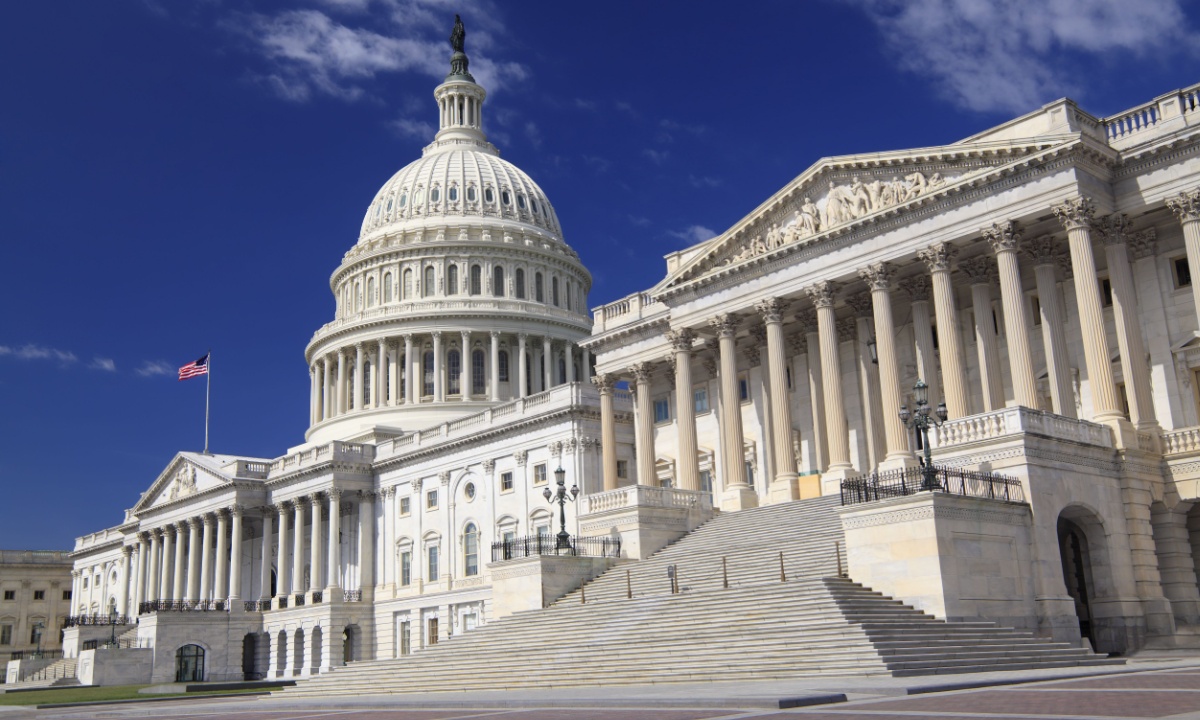
On May 22, 2024, the U.S. House of Representatives passed the Financial Innovation and Technology for the 21st Century (FIT21) Act, a piece of legislation intended to provide much-needed regulatory clarity and consumer protections in the burgeoning cryptocurrency market.
The bill garnered broad bipartisan support, passing with a decisive vote of 279 to 136. Among those voting in favor were 208 Republicans and 71 Democrats, demonstrating cross-party collaboration on an issue that has been contentious in recent years. "FIT21 provides the regulatory clarity and robust consumer protections necessary for the digital asset ecosystem to thrive in the United States," said Patrick McHenry, Chairman of the House Financial Services Committee (HFSC).
"FIT21 provides the regulatory clarity and robust consumer protections necessary for the digital asset ecosystem to thrive in the United States,"

McHenry further noted, "The bill also ensures America leads the financial system of the future and remains a hub for technological innovation." This foundational legislation aims to solidify the United States' position in the digital economy while safeguarding consumer interests.

Looking Ahead
The FIT21 Act expands the authority of the Commodity Futures Trading Commission (CFTC) over digital commodities and clarifies the Securities and Exchange Commission’s (SEC) jurisdiction regarding digital assets that function as investment contracts. Additionally, the law establishes guidelines for secondary market trading of specific digital commodities, thereby laying down rules for consumer protection among entities registered with both the CFTC and SEC.

According to the HFSC's release, the legislation is designed to impose transparency and accountability requirements on digital asset developers and institutions serving cryptocurrency consumers. “These rules will protect consumers by clarifying which transactions fall under each agency’s jurisdiction and by establishing clear pathways for funding," the committee elaborated.
The overwhelming passage of the bill is seen as a signal to the Senate and the Biden administration. McHenry stressed, "The overwhelming support for FIT21 in the House should serve as a wakeup call to the Senate and this administration. They must come to the table to ensure the Americans who engage with digital assets can do so safely."
However, not everyone in Washington is on board with the new legislation. Just hours before the vote, SEC Chair Gary Gensler issued a statement expressing strong opposition. He argued that the FIT21 Act would "create new regulatory gaps and undermine decades of precedent regarding the oversight of investment contracts, putting investors and capital markets at immeasurable risk." His remarks underscore ongoing tensions between regulatory bodies and lawmakers over how best to manage the rapidly evolving cryptocurrency landscape.


The passage of the FIT21 Act is expected to provide the cryptocurrency industry with the regulatory certainty it has been seeking. As reported earlier this year, this legislation marks a pivotal moment for businesses and investors in the digital asset space. Cryptocurrency exchange Coinbase welcomed the bill, stating, "This Act will protect consumers and foster innovation & job creation by providing a regulatory framework that the industry has long awaited."
Impact and Legacy
With this significant legislative step, industry stakeholders are hopeful that the new consumer protection measures will catalyze growth while ensuring that risk management is prioritized as the market evolves. Industry analysts view the bill as a groundbreaking development that might influence the trajectory of cryptocurrency regulations at the federal level.
Looking Ahead
As the bill moves to the Senate for consideration, its supporters remain optimistic. The future of the cryptocurrency market will heavily depend on how effectively lawmakers can reconcile the competing interests of innovation and regulation, balancing the regulatory oversight needed to protect consumers while fostering an environment conducive to growth and technological advancement.