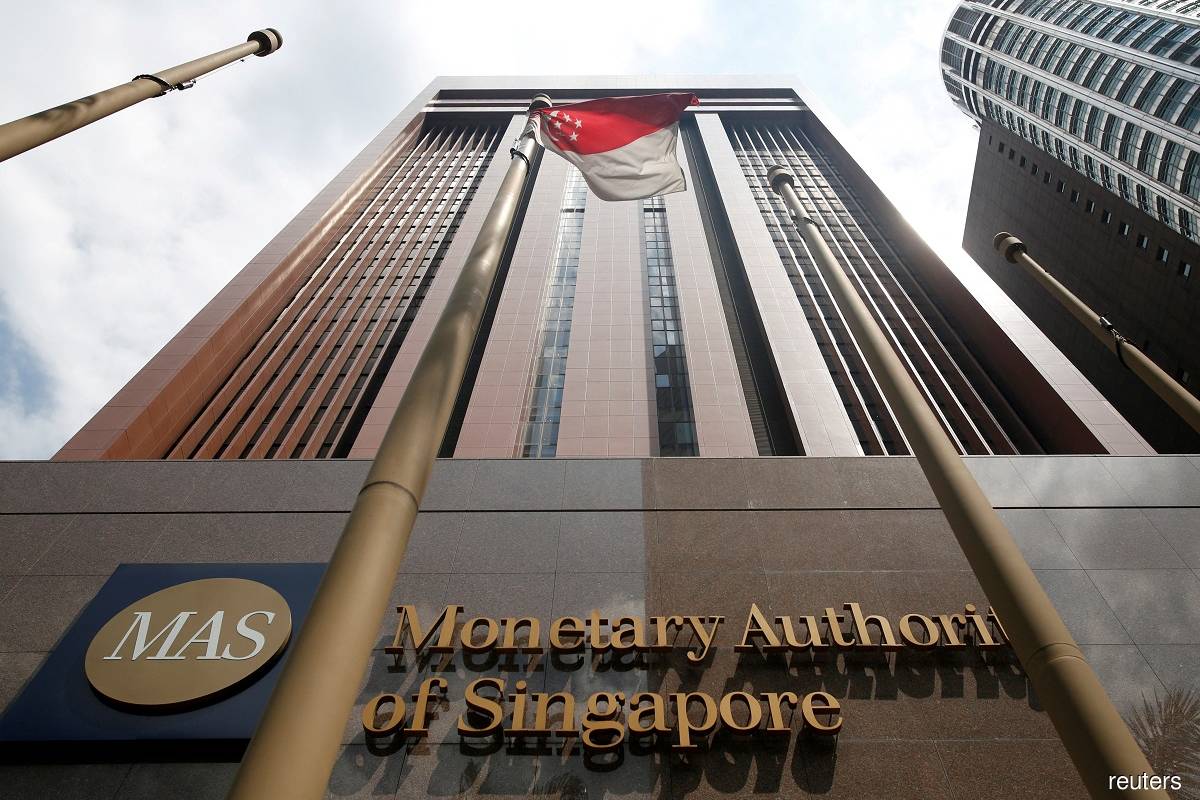
In a significant regulatory update, the Monetary Authority of Singapore (MAS) has announced a comprehensive expansion of its Payment Services Act (PSA). Effective April 4, the MAS aims to enhance the regulatory framework governing payment services to include digital payment token (DPT) services, marking a critical step in the financial technology landscape of the nation.
"The revisions to the Payment Services Act are designed to bolster user protection and ensure financial stability amid the growing adoption of digital payment tokens," said a spokesperson from the MAS. This expansion will require that various activities related to DPTs fall under the ambit of regulation.
"The revisions to the Payment Services Act are designed to bolster user protection and ensure financial stability amid the growing adoption of digital payment tokens,"

The amendments include crucial activities such as the provision of custodial services for digital tokens, enabling the facilitation of transfers between accounts, and allowing exchanges of DPTs. Moreover, these regulations will also cover cross-border money transfers, where transactions do not involve the direct acceptance or receipt of funds in Singapore.

"As the digital economy continues to evolve, it is imperative that we adapt our regulatory framework to keep pace with innovations and the associated risks," added the MAS representative. This timely intervention reflects the central bank's commitment to managing potential challenges posed by the rapid growth of cryptocurrency and digital payments.
"As the digital economy continues to evolve, it is imperative that we adapt our regulatory framework to keep pace with innovations and the associated risks,"

Stakeholders in the fintech industry have expressed support for this move, indicating that clearer regulations can enhance confidence among users and investors. "With regulation comes the necessary oversight that can protect consumers and encourage more people to engage with digital payment systems, knowing their interests are safeguarded," stated Jane Lim, an industry analyst.
"With regulation comes the necessary oversight that can protect consumers and encourage more people to engage with digital payment systems, knowing their interests are safeguarded,"
As part of this regulatory advancement, the MAS has emphasized collaboration with key industry players to ensure a smooth transition. "We are in discussions with various stakeholders to help them understand how these new regulations apply to their operations and enhance compliance measures," remarked Edwin Tan, a senior executive within the MAS.

"We are in discussions with various stakeholders to help them understand how these new regulations apply to their operations and enhance compliance measures,"
The concrete steps by the MAS are also indicative of a larger global trend where regulators are striving to impose clarity and oversight in the digital payments sector. As cryptocurrencies gain popularity, the need for effective regulations to mitigate risks associated with volatility and security remains paramount.

The central bank is expected to continuously assess the implications of these regulations, adjusting them as necessary to respond to the dynamic environment of payment services. "Our approach will be dynamic, ensuring that user interests and systemic stability are at the forefront of our regulatory endeavors," the MAS representative concluded.
"Our approach will be dynamic, ensuring that user interests and systemic stability are at the forefront of our regulatory endeavors,"
This regulatory change from MAS aligns with Singapore’s broader ambition to be a global hub for fintech innovation while maintaining a high standard of consumer protection and financial integrity. The proactive stance demonstrated by the MAS reinforces Singapore's commitment to building a robust framework that fosters the growth of digital finance.
Looking Ahead
As the digital payment landscape evolves, stakeholders are keenly watching the developments following the enactment of these amendments. The combined interests of consumers, service providers, and regulators will play a crucial role in shaping the future of digital payment services in Singapore and beyond.