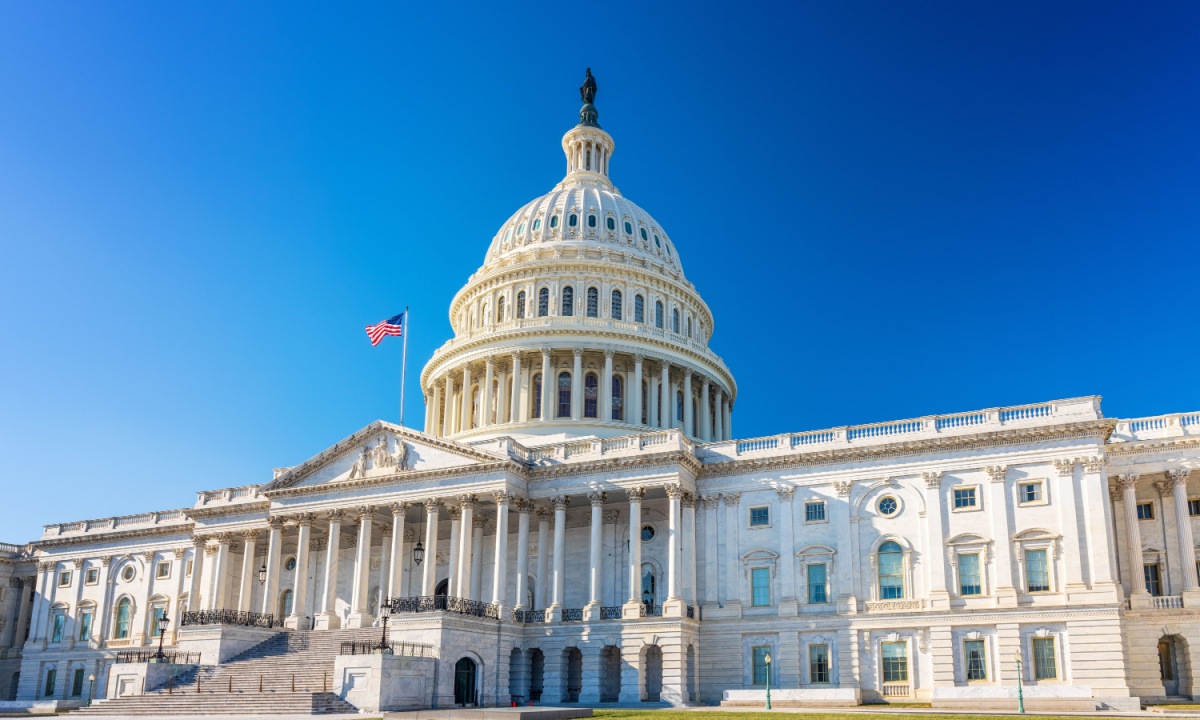
In a crucial Senate hearing on February 12, 2026, SEC Chairman Paul S. Atkins advocated for comprehensive legislation to govern the rapidly evolving cryptocurrency landscape. During the testimony before the Senate Banking Committee, he reinforced his support for the CLARITY Act, which aims to provide clarity and longevity to the regulations surrounding crypto markets.
"A federal framework for crypto markets is long overdue," Atkins stated, illustrating the urgency for structured guidelines in this sector. He noted that the SEC has made significant strides under the leadership of Commissioner Hester Peirce, stating, "SEC staff has provided more clarity in the past year than in the prior decade, but there is no action we can take that future-proofs our rulebook more formidably than nonpartisan market structure legislation."
"A federal framework for crypto markets is long overdue,"


The CLARITY Act, according to Senate Banking Committee Chairman Tim Scott, a Republican from South Carolina, is designed to set straightforward rules for digital asset regulation. In his opening remarks at the hearing, Scott asserted that the legislation will define regulatory responsibilities, enhance investor protection, and foster an environment where businesses can innovate without fear of regulatory constraints.
Looking Ahead

Looking Ahead
Looking Ahead
"Make no mistake, digital asset innovation will happen here at home—in places like Greenville, South Carolina; Atlanta, Georgia; or Cary, North Carolina—not abroad anymore," emphasized Scott, reflecting a sense of optimism about the future of crypto in the United States.


"Make no mistake, digital asset innovation will happen here at home—in places like Greenville, South Carolina; Atlanta, Georgia; or Cary, North Carolina—not abroad anymore,"
Senator Mark Warner, a Democrat from Virginia and a key figure in the negotiations surrounding the CLARITY Act, echoed these sentiments during the session. He expressed his desire for the bill to pass swiftly but highlighted the need to ensure it addresses potential illicit uses of decentralized finance. "We want to get this done," Warner remarked. "It’s got to be done safely."
By the Numbers
The enactment of the CLARITY Act poses a challenge for lawmakers, as it will require at least seven Democratic votes, or potentially more if there are dissenting Republican votes. The bill has stirred discussions around various contentious issues, particularly regarding whether stablecoins should be permitted to yield interest. This debate mirrors ongoing discussions globally, as various jurisdictions grapple with the implications of stablecoins in their financial frameworks.
In a related development, there was a closed-door meeting at the White House that brought together representatives from banking sectors and crypto trade organizations. Such dialogues underscore the broader concern of ensuring safe yet innovative pathways for digital assets in the United States.
Looking Ahead
As legislative discussions continue, the future of digital finance remains in flux. The positive outlook expressed by figures like Scott could signal a shift in how the industry is perceived, as pressure mounts for swift regulation that balances innovation with safety. The SEC’s readiness to implement necessary reforms emphasizes the growing imperative to secure a robust regulatory framework for the burgeoning crypto market. As these discussions unfold, stakeholders across the industry wait with anticipation for the potential impact the CLARITY Act may have on the future of cryptocurrency in the U.S. market.