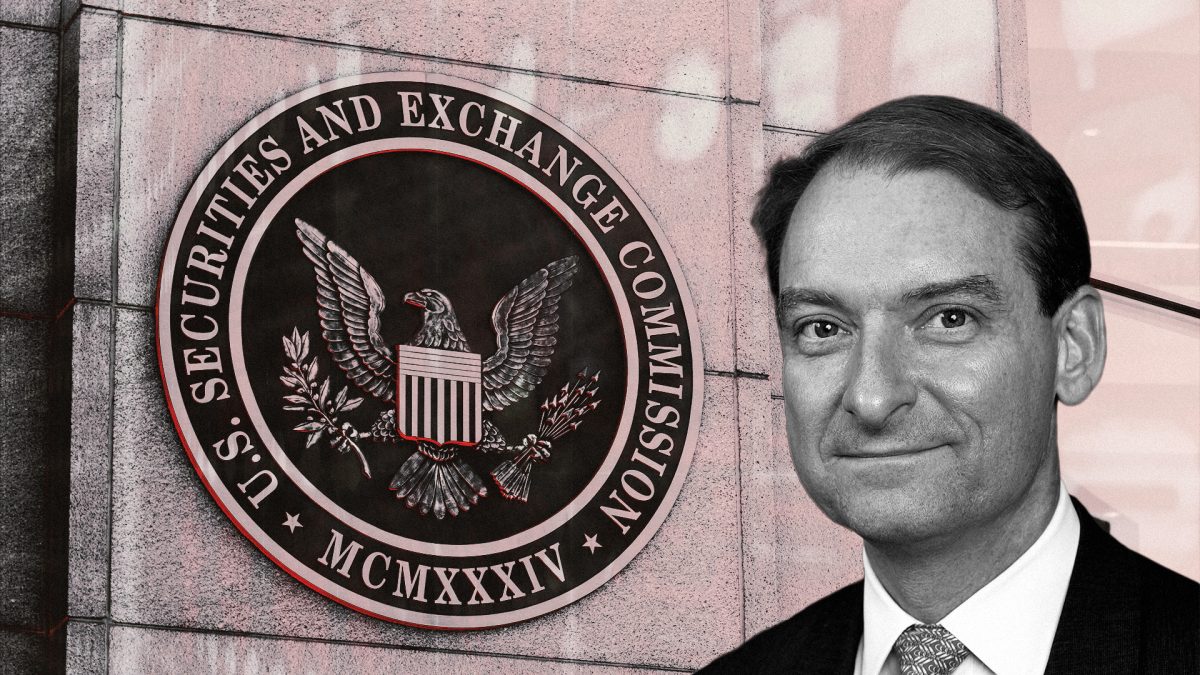
In a pivotal shift for cryptocurrency regulation, SEC Chair Paul Atkins introduced a new vision focused on collaboration and clarity during a recent roundtable discussion on digital assets. The announcement, made on May 12, 2025, represents a departure from the previously stringent policies of the SEC, aligning with Atkins's supportive stance towards the burgeoning crypto industry.
“It is a new day at the SEC,” expressed Atkins, outlining his strategy to foster a more constructive regulatory environment. His reformative approach marks a clear contrast to that of his predecessor, Gary Gensler, who often highlighted the risks associated with cryptocurrencies. The SEC under Gensler engaged in numerous enforcement actions against key players in the crypto space, with accusations of fraud and market manipulation being prevalent during his tenure.
Atkins criticized the previous administration's strategy of summoning firms for discussions, remarking on the ineffective nature of this method. “The SEC took on a ‘head-in-the-sand’ approach – perhaps hoping that crypto would go away,” he remarked, emphasizing the need for actionable guidelines.


Looking Ahead
Looking Ahead

Looking Ahead
Looking ahead, Atkins reiterated that policymaking will pivot from reactive enforcement to proactive rulemaking. “Instead, the Commission will utilize its existing rulemaking, interpretive, and exemptive authorities to set fit-for-purpose standards for market participants,” he noted, detailing plans to draft comprehensive guidelines regarding the classification of digital assets as securities.
His vision includes potential updates to custody rules, allowing fund managers and advisors greater flexibility in self-custody operations. He also indicated that the SEC might reevaluate its “special purpose broker-dealer” framework to facilitate innovation. “I would like to explore whether conditional exemptive relief would be appropriate for registrants and non-registrants that seek to bring new products and services to market,” said Atkins, hinting at a more accommodating regulatory landscape.


Gene Hoffman, CEO of Chia Network, applauded Atkins's remarks, stating, “The SEC’s new leadership is open-minded and open for business.” He emphasized this administration’s recognition of decentralized public blockchains and their opportunities for investors, contrasting sharply with the risk-focused perspectives of the previous regime.
Looking Ahead
Looking Ahead
The implications of Atkins's vision could reshape the future of digital asset management in the United States, signaling a readiness to engage with the crypto community. As the agency shifts its focus from risk aversion to opportunity recognition, stakeholders eagerly await specifics on the framework that will govern the ever-evolving landscape of cryptocurrency.
This fresh perspective aims to bridge the gap between innovation and regulation, seeking to balance consumer protection with the nurturing of a thriving crypto ecosystem. Investors and firms involved in digital assets may find this new approach a welcome change, allowing for more transparent and feasible operating conditions.