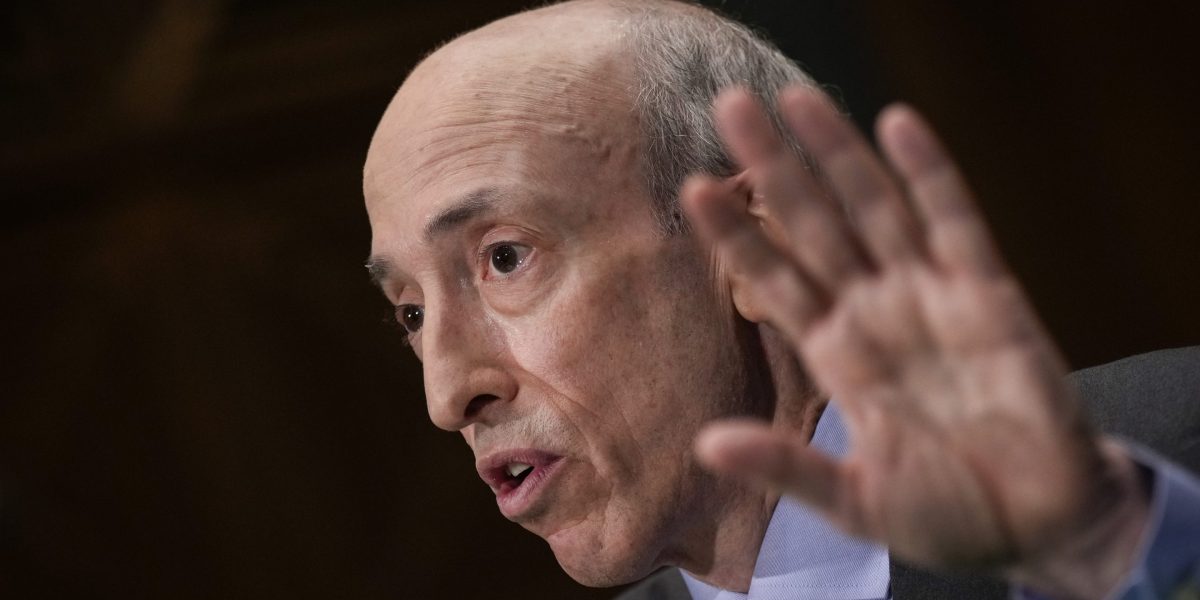
The Securities and Exchange Commission (SEC) made headlines this week by approving 11 applications for spot Bitcoin exchange-traded funds (ETFs). This decision marks a significant development in the cryptocurrency sphere, but SEC Chairman Gary Gensler made it clear that the approval does not imply a blanket endorsement of Bitcoin itself.
"Bitcoin, itself, we did not approve," said Gensler, expressing his skepticism despite the regulatory green light for the ETFs. His comments reflect a guarded stance from the SEC as it navigates the complexities of cryptocurrency regulation amid increasing market expansion.
"Bitcoin, itself, we did not approve,"

This week’s approvals have generated a mix of reactions within the financial community. Crypto skeptics are particularly vocal about their concerns regarding the implications of Bitcoin’s integration into traditional financial markets. Senator Elizabeth Warren, a prominent critic of cryptocurrency practices, voiced her apprehension via social media, stating, "The @SECgov is wrong on the law and wrong on the policy with respect to the Bitcoin ETF decision. If the SEC is going to let crypto burrow even deeper into our financial system, then it's more urgent than ever that crypto follow basic anti-money laundering rules."

While Warren's sentiments resonate with many, Gensler remains focused on regulatory measures. He emphasized that the SEC's decision is about establishing a framework that can address risks, rather than endorsing the currency itself. The agency has been facing pressure to adapt its regulatory framework as cryptocurrency adoption grows among investors and institutions alike.
Impact and Legacy

Gensler’s regulatory philosophy centers around protecting investors and ensuring that the financial system remains robust against disruptive influences. He is known for advocating stringent compliance measures within the cryptocurrency space. "Bringing digital assets into the regulatory fold is essential for protecting investors and maintaining the integrity of our markets," Gensler added, stressing the importance of implementing rules that govern the operations of cryptocurrency entities.
"Bringing digital assets into the regulatory fold is essential for protecting investors and maintaining the integrity of our markets,"
The recent approval of Bitcoin ETFs is seen as a watershed moment for the crypto industry, potentially broadening investor access to this volatile asset class. However, Gensler's remarks underscore a duality in the SEC’s approach—while allowing certain products into the marketplace, it simultaneously raises awareness about the risks involved.

There is an ongoing debate regarding the package of regulations needed to keep pace with the rapid evolution of cryptocurrencies. Gensler’s focus on compliance suggests that further regulation could be on the horizon as the SEC continues to scrutinize the behavior of market participants. He indicated, "We must ensure that all crypto trading platforms and businesses operate under a secure regulatory framework, fostering a safer market for all investors."

As the SEC navigates this evolving landscape, industry stakeholders remain keenly aware of the potential ramifications of Gensler’s outlook. Whether these regulations will help stabilize the market or deter innovation remains a central question among the investment community.
The contrast between the SEC's approval of the Bitcoin ETFs and Gensler’s cautious stance illustrates the tension between fostering innovation and upholding investor protections. Meanwhile, the market will be watching closely to see how these developments unfold in 2024 and what new regulations might emerge in this rapidly changing sector.