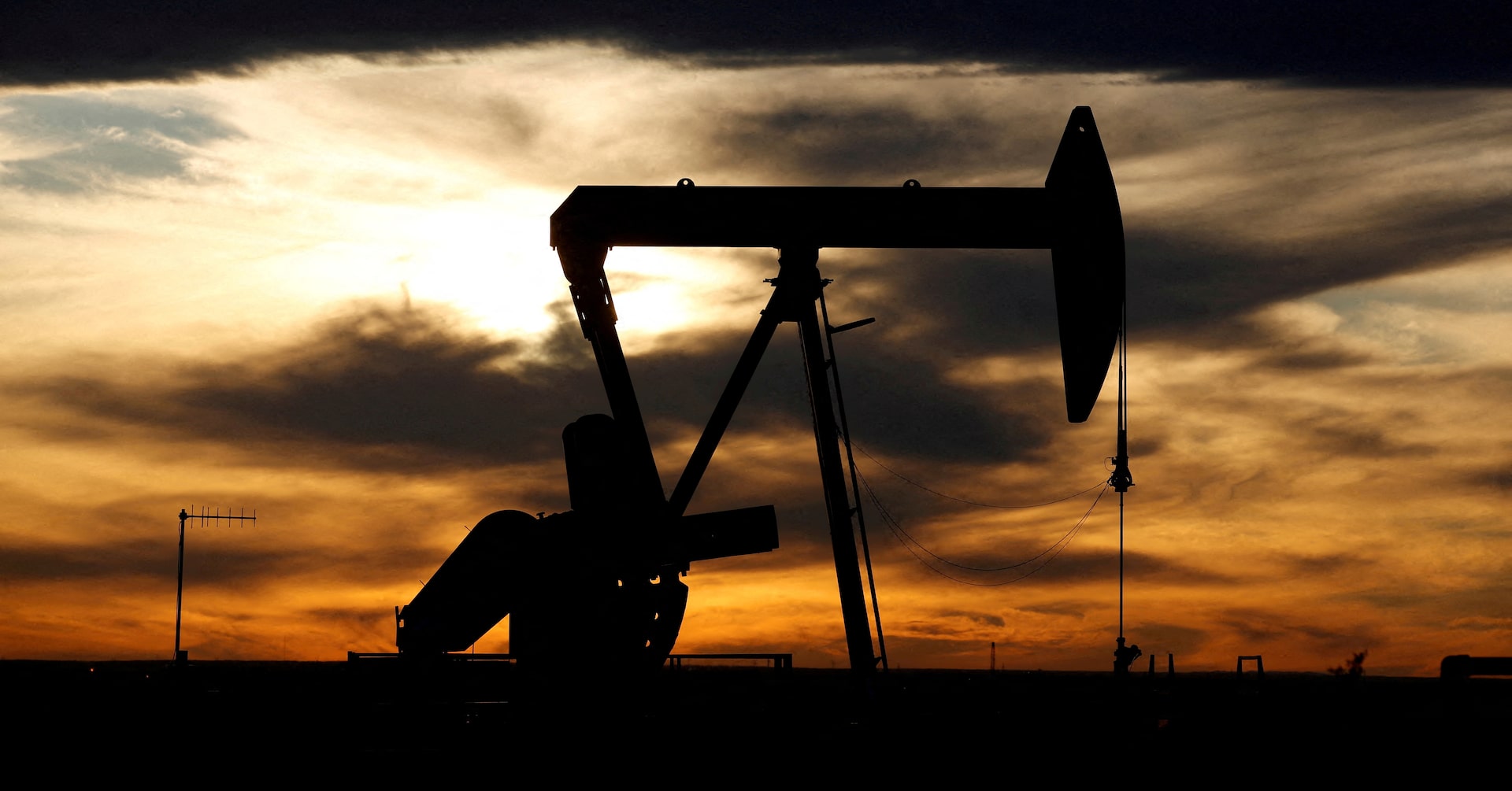
Oil prices experienced a significant rise of approximately 2% on December 13, achieving a three-week high driven by looming sanctions on Russia and Iran and positive economic signals from China.
Brent crude futures increased by $1.08, or 1.5%, closing at $74.49 a barrel, while U.S. West Texas Intermediate (WTI) crude gained $1.27, or 1.8%, settling at $71.29. This marked Brent's highest close since November 22, leading the contract to accumulate a notable weekly gain of 5%. Similarly, WTI also recorded a 6% increase for the week, reaching levels not seen since November 7.
"This strength is being driven by ... expectations of tighter sanctions against Russia and Iran, more supportive Chinese economic guidance, Mideast political havoc and prospects for a Fed (U.S. Federal Reserve) rate cut next week," said analysts at energy advisory firm Ritterbusch and Associates in a recent note.


The increase in oil prices comes as the European Union (EU) finalized a 15th package of sanctions targeting Russia due to its ongoing conflict in Ukraine, which includes measures aimed at its shadow tanker fleet. Additionally, the United States is contemplating similar sanctions that could further restrict supplies.
In a parallel development, the British, French, and German representatives informed the United Nations Security Council of their readiness to initiate a so-called "snap back" of all international sanctions against Iran should it continue moving toward nuclear armament.
"snap back"

Career Journey
Moreover, data released from China indicated that crude oil imports surged in November, marking the first annual increase in seven months for the world's largest oil importer. Expectations are set for sustained high import levels into early 2025 as Chinese refiners seek more oil from Saudi Arabia, attracted by competitive prices, while independent refineries also look to maximize their supply quotas.
The International Energy Agency (IEA) has revised its forecast for global oil demand growth in 2025 upward to 1.1 million barrels per day (bpd), from 990,000 bpd last month, largely attributing this change to China's stimulus efforts aimed at rejuvenating its economy.


Despite this positive outlook, recent data suggests that new bank lending in China saw a lower than anticipated rise in November, indicating sluggish credit demand within the second-largest economy globally. Policymakers have thus committed to implementing additional stimulus measures to bolster economic activity.
On the supply side, the IEA has projected an oil surplus for 2025, anticipating non-OPEC+ nations to increase production by approximately 1.5 million bpd. This increase will primarily come from countries such as Argentina, Brazil, Canada, Guyana, and the U.S.
OPEC+, which comprises the Organization of the Petroleum Exporting Countries and its allies, is watching these developments closely as they navigate the complex dynamics of the global oil market.
Looking Ahead
With factors such as geopolitical tensions, economic policies, and changing demand trends in play, oil market observers will be keen to see how these influences shape future pricing and availability. The potential impact of ongoing sanctions and China’s response to economic challenges will likely remain at the forefront of commodity markets in the weeks to come.