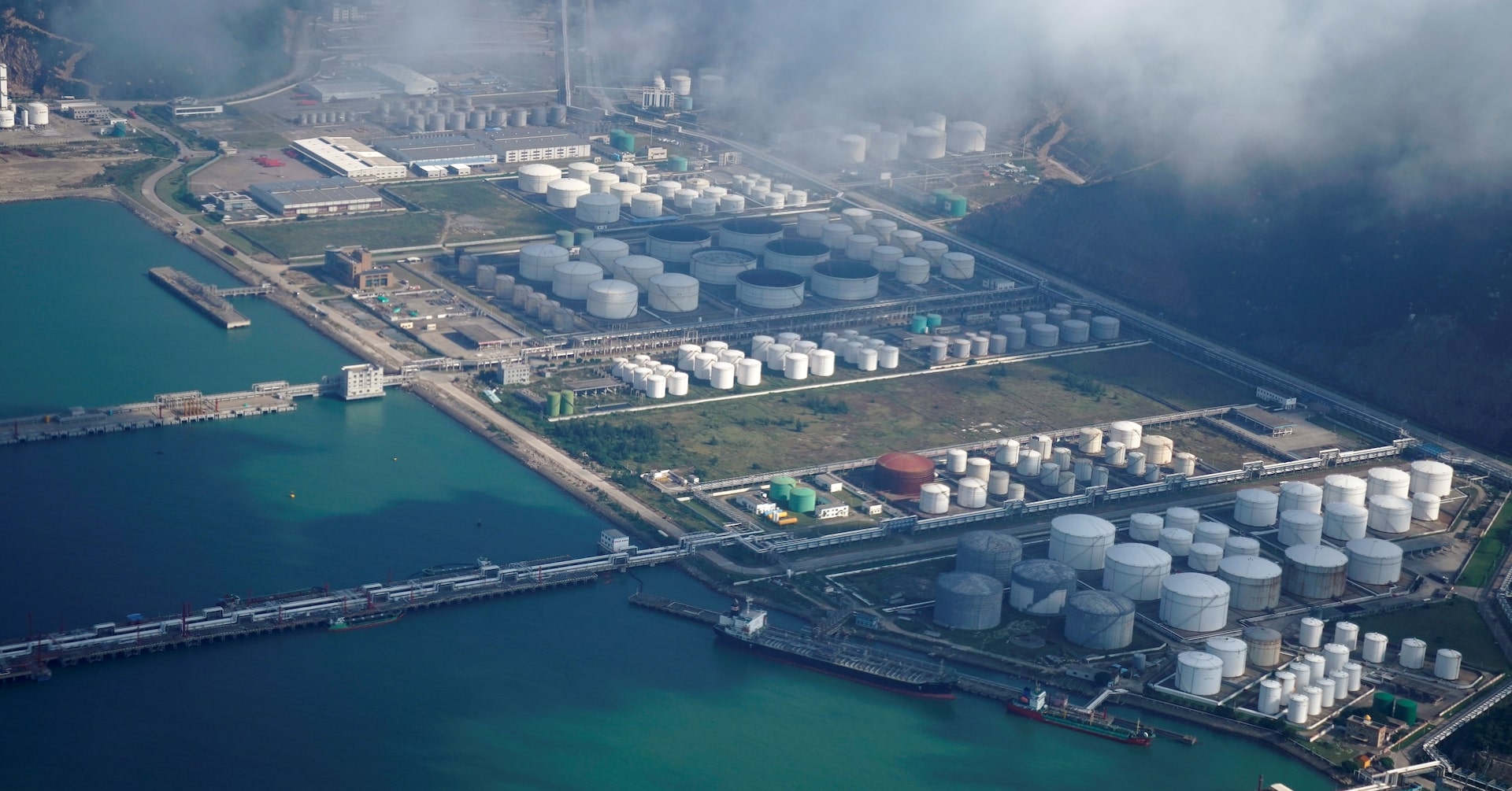
On November 13, oil prices demonstrated resilience, stabilizing after a notable decline of approximately 4% in the previous trading session. Investors are grappling with fears of oversupply in the global market, particularly in light of newly imposed sanctions against Russia’s Lukoil.
Brent crude futures saw a marginal increase, climbing by 30 cents to $63.01 a barrel. Meanwhile, U.S. West Texas Intermediate crude also rose, gaining 20 cents to reach $58.69 a barrel. This rebound followed a steep 4.2% drop recorded on Wednesday.
"There should be considerable support to oil prices around $60/bbl, especially given there could be short-term disruption to Russian export flows once stricter sanctions kick in," said Suvro Sarkar, the energy sector team lead at DBS Bank.

"There should be considerable support to oil prices around $60/bbl, especially given there could be short-term disruption to Russian export flows once stricter sanctions kick in,"

The imposed sanctions by the U.S. aim to pressure the Kremlin into negotiations regarding the Ukraine conflict. These restrictions prohibit transactions with Lukoil, taking effect after November 21.

Despite this slight recovery, price increases faced headwinds due to a report from the Energy Information Administration (EIA). The EIA revealed a much higher than anticipated rise in U.S. crude stockpiles, alongside smaller decreases in gasoline and distillate inventories.

During the week ending November 7, crude stocks increased by 6.4 million barrels, reaching a total of 427.6 million barrels. Analysts had forecasted a more modest increase of 1.96 million barrels, indicating a significant disconnect between expectations and reality.
The American Petroleum Institute corroborated these findings, reporting a 1.3 million barrel rise in U.S. crude inventories for the same week.

Concerns over supply also escalated after an OPEC report suggested that global oil supply may slightly surpass demand by 2026. This insight, derived from a Reuters analysis of the OPEC report, hinted at a shift from the group's previously bullish stance on oil supply forecasts.
"Recent (price) weakness seems to be driven by OPEC’s revision of the supply-demand balance in 2026 in its monthly report, which confirms the group is now acknowledging the possibility of a supply glut in 2026, in contrast to its more bullish stance all along," said Sarkar.
"Recent (price) weakness seems to be driven by OPEC’s revision of the supply-demand balance in 2026 in its monthly report, which confirms the group is now acknowledging the possibility of a supply glut in 2026, in contrast to its more bullish stance all along,"
Career Journey
Career Journey
Career Journey
The OPEC report implies that if OPEC+ production levels remain unchanged from October, a supply surplus could materialize as early as next year, based on increased output from OPEC+ and other producers. The collective of OPEC members and their allies, such as Russia, make up the OPEC+ group.
Compounding these concerns, the International Energy Agency (IEA) in its latest report raised its forecasts for global oil supply growth, signaling the potential for a larger surplus by 2026. Additionally, the EIA's Short-Term Energy Outlook anticipated that U.S. oil production would reach higher levels than previously projected for this year.
Impact and Legacy
Impact and Legacy
The context surrounding these developments is fluid, especially as the U.S. government concluded a prolonged shutdown, which had significantly disrupted air travel, food assistance programs, and impacted over a million workers.
“The return of the government is going to help support demand in the near term. We should be looking for better demand from those returning to work, holiday travel expectations back on track and of course, holiday shopping season ready to kick off,” stated Carl Larry, a manager of sales for trading and risk at Enverus.
As the market continues to navigate these complexities, the interplay of geopolitical factors, production rates, and demand forecasts will remain crucial in shaping the oil price landscape going forward.