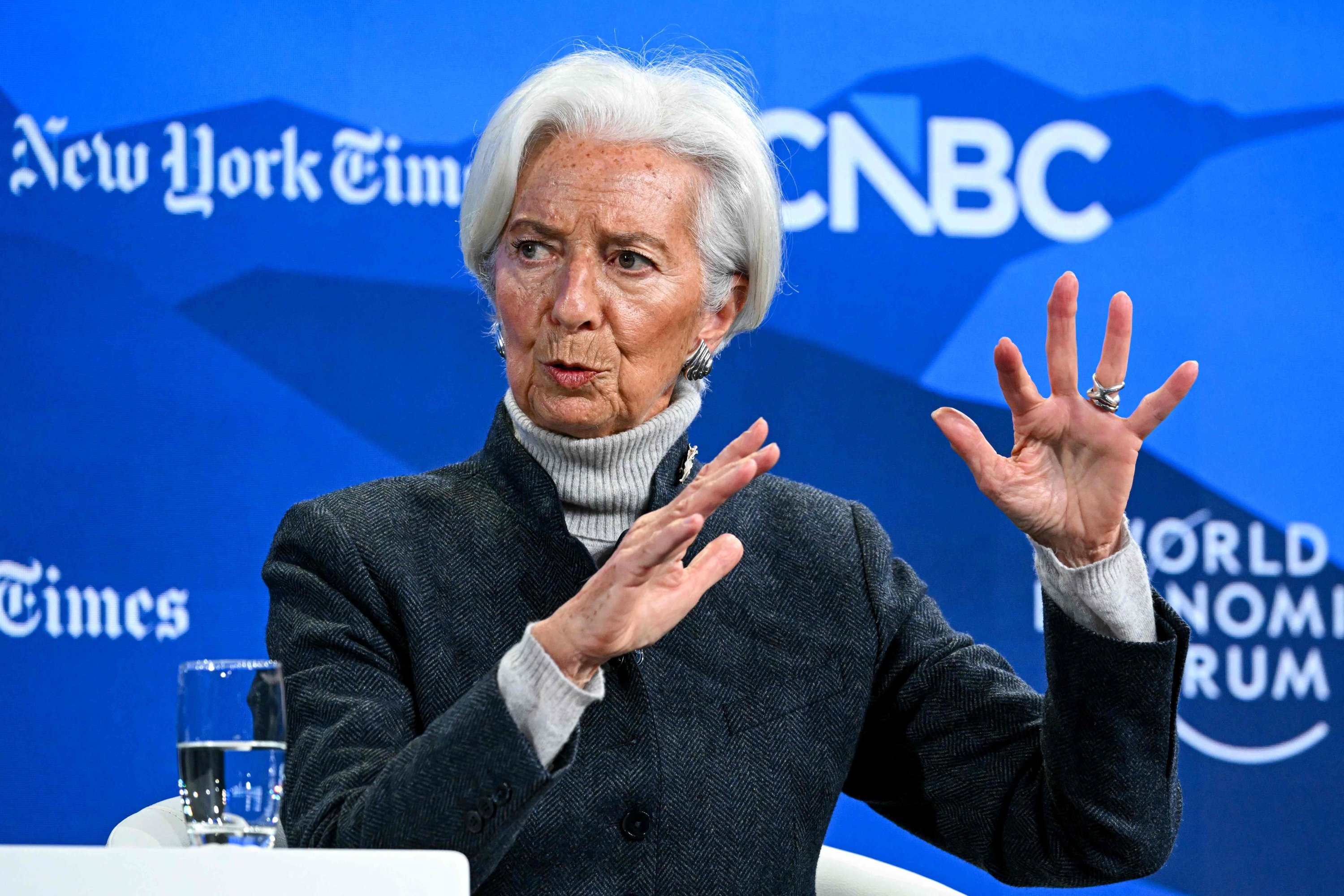
European Central Bank President Christine Lagarde used a speech at the Banco de España's LatAm Economic Forum in Roda de Bará, Spain, on May 8 to deliver one of her bluntest interventions yet on the future of the euro in a tokenised financial system.
The framing was unusual. Lagarde split stablecoins into two roles, monetary and technological, and said the question for European policymakers is no longer whether private digital tokens belong in the financial system but whether the bloc can afford to ignore them.
"It is no longer about whether stablecoins should exist, but whether jurisdictions can afford to be without them," Lagarde said. The risk, she warned, is that if Europe stands still it cedes ground to dollar-denominated tokens that already dominate global stablecoin volumes.

"Europe must respond by promoting euro-denominated stablecoins of its own. Otherwise, it faces a future of digital dollarisation and a loss of monetary sovereignty."
The financial stability concerns were front and centre. Lagarde acknowledged that stablecoins behave well in calm markets but described how trust can collapse fast. "When confidence holds, they function as intended. But when it weakens, the demand for redemption can become sudden and self-reinforcing." That description, while unattributed to any specific issuer, will read to investors as a clear reference to historical episodes around USDC, Terra and Tether.
Her preferred remedy is not to wave through private euro stablecoins but to anchor any tokenised euro economy to the central bank. "The best solution remains the same: more integrated capital markets through the savings and investment union," she said.
She then went further, sketching out the end state the ECB is aiming at. "When central bank money is available natively on-chain, and when tokenised deposits and MiCAR-compliant euro instruments can operate within the same interoperable environment, market participants will have no reason to rely on a foreign private substitute by default."

That sentence does a lot of work. It positions the ECB's Pontes pilot, its Appia roadmap targeting a tokenised financial ecosystem by 2028 and the wholesale digital euro project as direct tools to keep euro flows from migrating to USDC, USDT and the wave of new bank-issued dollar tokens that have come online since the GENIUS Act passed in the United States.
The speech echoes a parallel intervention earlier in the day from Bundesbank president Joachim Nagel, who told Bloomberg that the ECB is "highly vigilant to rising inflation risks" and pushed back against the idea that euro-area policy should fall in line with looser financial conditions overseas.
For European fintechs, the practical implications are direct. MiCAR-compliant euro stablecoins from issuers such as Société Générale-Forge and Circle's EURC have a sharper political tailwind, while non-compliant dollar tokens used as cash legs in European trading face a much harder regulatory gauntlet. The ECB's tokenised securities settlement work, including its DLT trial programme with the Eurosystem, becomes the bridge that euro stablecoins are expected to eventually plug into.
Lagarde's underlying message is simpler than the technical detail. The ECB does not want to spend the late 2020s watching euro liquidity migrate to dollar tokens hosted on US-controlled chains. Whether Europe can build credible alternatives at the speed Washington has set is now a sovereignty question, not a technology one.