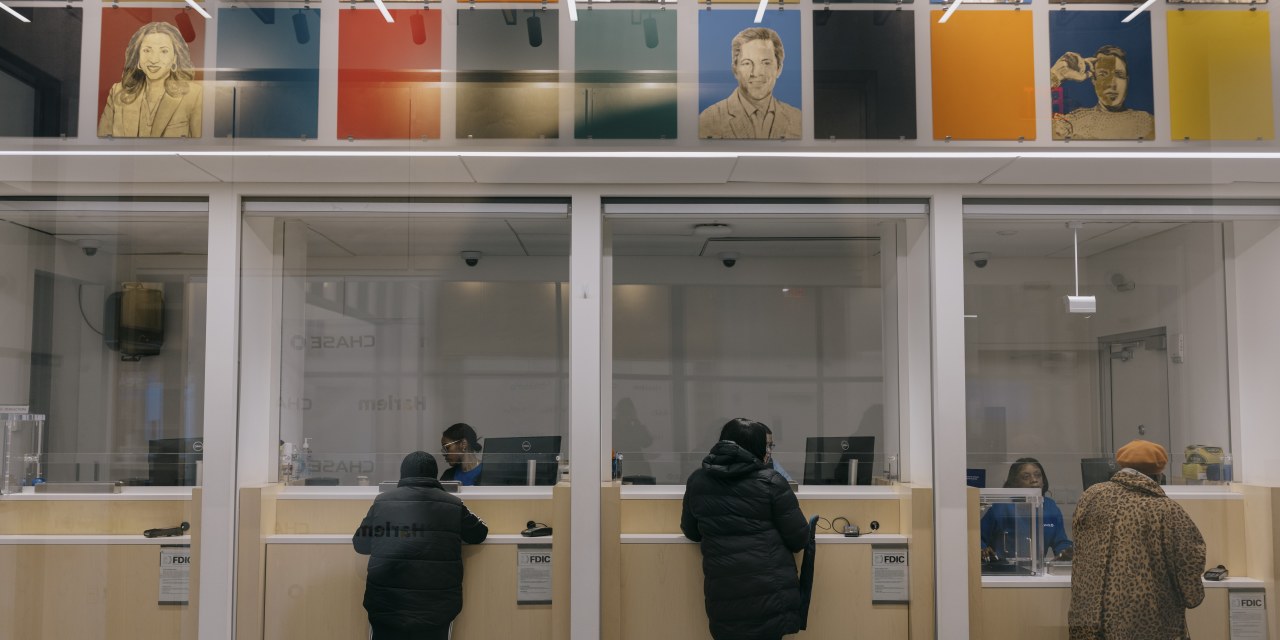
In an era where digital banking is rapidly dominating the financial landscape, JPMorgan Chase is not just surviving but thriving through an unexpected strategy—expanding its network of traditional bank branches. Despite a significant decline of physical locations across the industry, JPMorgan remains steadfast in its belief that personal interactions at brick-and-mortar branches are essential for attracting new customers and small business clients.
"Branches—yes, branches—are part of the secret sauce," says a source from JPMorgan, emphasizing the bank's commitment to physical locations. Over the next three years, JPMorgan plans to construct 500 new branches, a move that has garnered attention given that only 17 banks currently operate more than 500 branches. Currently, JPMorgan boasts nearly 5,000 branches across the United States.
"Branches—yes, branches—are part of the secret sauce,"

This ambitious expansion plan follows a successful track record that began in 2018, when the bank initially announced its intentions to open hundreds of branches. Analysts were skeptical at the time, but JPMorgan's results have spoken volumes. Since then, the institution has added over 650 new branches, establishing its presence in 25 new states and becoming the first bank to have branches in all 48 contiguous states. The outcome has exceeded expectations, as JPMorgan now holds more than $2 trillion in deposits, nearly double the amount from ten years ago and surpassing Bank of America in total deposits as reported by the Federal Deposit Insurance Corp.

In contrast, Bank of America has also placed a strong focus on branch presence, announcing plans to enhance its market share by entering nine new markets and four states in the coming years. Its focus remains on fortifying existing branches through renovations to compete with JPMorgan's expansion strategy. The competition is heating up, but both banks understand the need to adapt to changing consumer behaviors, which have led to decreased foot traffic in branches.
Championship Implications

Tanisha Gomez, a staff member at JPMorgan's Harlem branch, points out, “Branches have less traffic than a decade ago, and customers now do most transactions online or in mobile apps.” Recognizing this shift, JPMorgan is positioning its branches not merely as transaction hubs but as venues for deeper financial engagement, advice, and loan assistance.
To complement this strategy, JPMorgan has tailored its branch designs based on their strategic intent. The bank differentiates its locations for affluent clients who seek investment advice from those aimed at small businesses that require cash deposits. “We are still calibrating how many branches we need in the new markets,” a JPMorgan executive noted during a recent briefing.
The challenge for national banks is the entrenched loyalty many consumers feel toward their local banks. To counter this, JPMorgan has implemented local hiring practices to foster a community-centric atmosphere within their branches. Peter Pollini, the head of banking consulting at PwC, highlighted this shift, stating, “The local community bank feel, the big banks are getting better at it.”


In Harlem, JPMorgan introduced the community center branch model, designed specifically for minority and low-income neighborhoods. This innovative branch layout features open spaces with teller lines tucked away, allowing for a more relaxed and customer-friendly environment. Artistic murals by local artists adorn the walls, adding to the community's feel. Executives have noted that since the transformation, the Harlem branch has outpaced Chase’s goals for deposit growth and customer satisfaction metrics.
As part of its expansion efforts, JPMorgan plans to open three more community center branches this year, raising the total to 19 locations. The strategic focus on community banking seems to play a pivotal role in their overarching growth strategy, highlighting a nuanced approach to modern banking amidst the digital revolution.
Looking Ahead
Looking ahead, JPMorgan Chase remains dedicated to merging traditional banking methods with contemporary expectations, setting a noteworthy example within the financial services sector. The bank's growth strategy suggests that while digital interactions are essential, the personal connections fostered in branch environments are irreplaceable in building trust and loyalty among customers.