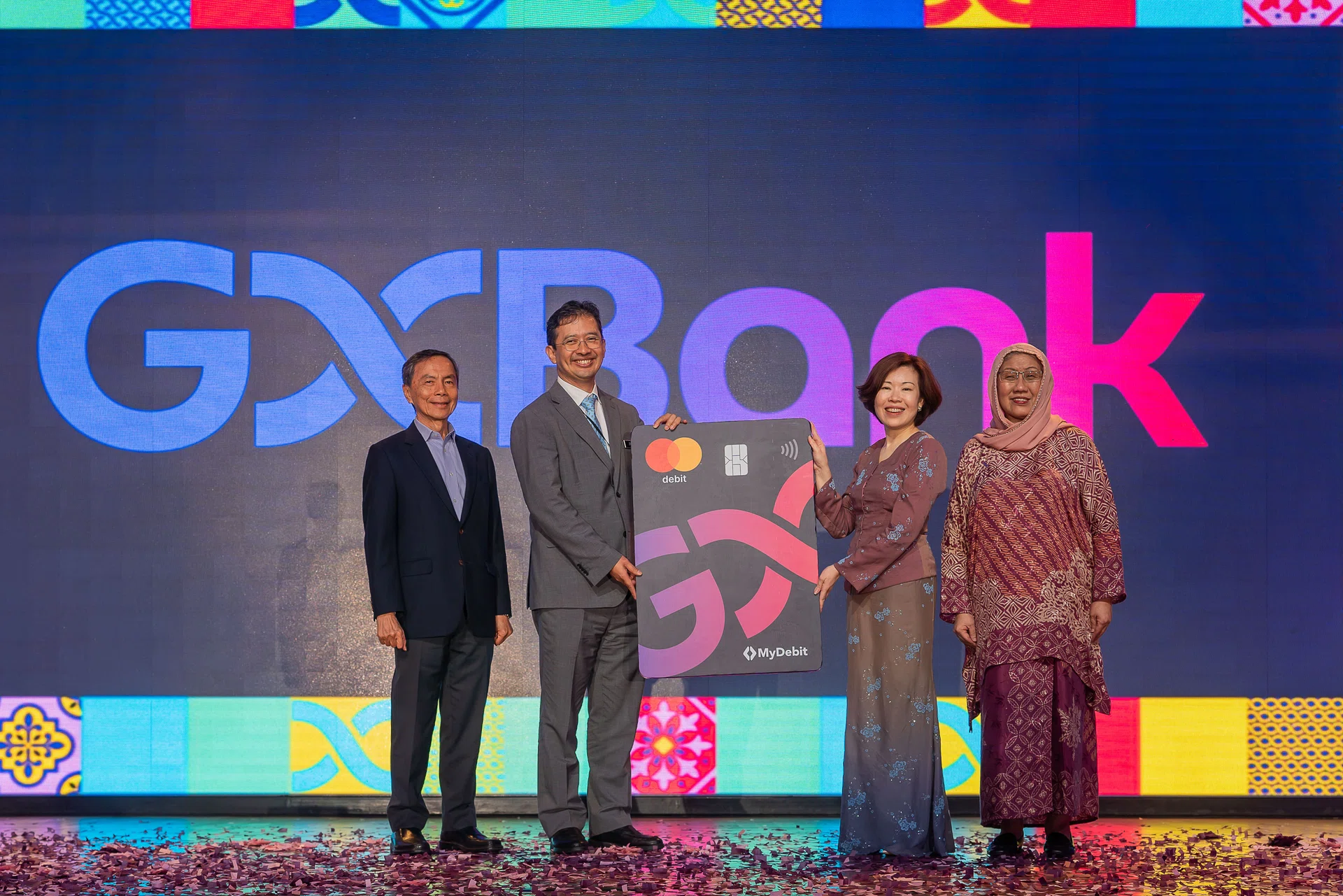
In a landmark development for Malaysia's banking sector, GXBank has launched as the country’s first fully digital bank. The unveiling took place at an event attended by key figures including GXS Bank chairman Hsieh Fu Hua and GXBank chief executive Lai Pei Si.
"We are thrilled to announce the launch of our digital banking app, which will make banking more accessible than ever to Malaysians," said Lai Pei Si, emphasizing the importance of this new banking avenue in an increasingly digital society.
"We are thrilled to announce the launch of our digital banking app, which will make banking more accessible than ever to Malaysians,"

GXBank had commenced beta operations on September 1, and is now officially open to the public, offering both a savings account and a debit card. As a notable part of Malaysia’s burgeoning fintech landscape, the bank operates under a license provided by Bank Negara Malaysia (BNM).

In April 2022, BNM issued five digital banking licenses aiming to diversify the banking experience in Malaysia. Among those licensed were:
- A consortium led by KAF Investment Bank. - Aeon Financial Service's consortium with MoneyLion. - A venture from e-commerce operator Sea in partnership with YTL Digital Capital. - A consortium including GXS Bank and the Kuok Brothers. - A collaboration between Boost Holdings and RHB Bank.

GXBank stands out as the first entity from this group to commence commercial operations. "Although we will not have physical branches, we are excited to offer a physical debit card to our customers," said Lai, highlighting the unique blend of digital and tangible banking experiences.
"Although we will not have physical branches, we are excited to offer a physical debit card to our customers,"
Looking Ahead

However, the digital banking landscape in Malaysia is not without its challenges. A report by Fitch Ratings noted that digital banks are unlikely to become significant rivals to traditional institutions in the immediate future due to regulatory limitations and the strong hold of legacy banks in the market.

Fitch indicated that, "BNM’s licensing framework caps the digital banks’ assets at RM3 billion (approximately S$858.2 million) during the foundational phase, from which they cannot exit until at least mid-2026, and potentially as late as mid-2029." This creates a situation where digital banks, under even optimistic forecasts, will represent less than 1 percent of the banking system's overall balance sheets in the medium term.
As GXBank and its peers move forward, the competitive landscape will demand innovation and adaptability. While digital adoption is expected to increase, traditional banks still command a substantial market share, making the path for GXBank's growth arduous yet promising.
"We aim to redefine how Malaysians think about banking and provide services that meet their evolving needs," said Lai, expressing confidence in the digital bank's potential to navigate these obstacles.
"We aim to redefine how Malaysians think about banking and provide services that meet their evolving needs,"
Career Journey
In conclusion, as GXBank embarks on this crucial journey as Malaysia’s first digital banking institution, the dynamics between fintech and traditional banking will be closely watched. How GXBank positions itself in this competitive market will not only define its future but could also influence the broader evolution of the banking sector in Malaysia.