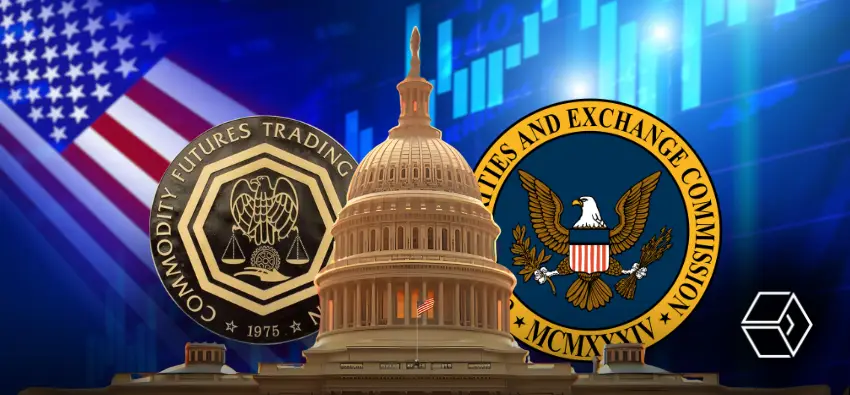
In a significant move towards unified oversight in the cryptocurrency space, the Commodity Futures Trading Commission (CFTC) and the Securities and Exchange Commission (SEC) are collaborating to develop a regulatory framework aimed at reducing fragmentation in digital asset enforcement. This initiative reflects an increasing acknowledgment that the rapid expansion of the cryptocurrency market requires a more coherent approach to regulation.
During a recent regulatory discussion, CFTC Chair Michael Selig highlighted the importance of this collaboration. "Our joint efforts aim to define a clear digital asset taxonomy, draw jurisdictional boundaries, and eliminate duplicative compliance requirements that have raised costs and discouraged competition," said Selig. He emphasized the detrimental effects of such regulatory overlaps, stating that they impose "real economic costs" on firms and investors while fostering an environment of regulatory arbitrage rather than productive investment.
"Our joint efforts aim to define a clear digital asset taxonomy, draw jurisdictional boundaries, and eliminate duplicative compliance requirements that have raised costs and discouraged competition,"


Race Results
The partnership between the two agencies is seen as a critical step to clarify the roles and responsibilities of regulators in the evolving cryptocurrency landscape. Currently, the absence of a unified framework has often resulted in confusion among market participants, creating a patchwork of conflicting regulations that can hinder innovation and growth in the sector.

This joint effort was bolstered by the launch of the SEC’s Project Crypto, aimed at enhancing clarity in crypto regulations. Recognizing the need for a consistent approach, the CFTC's involvement heralds a new era where both agencies will tackle the complexities of digital assets together. "By collaborating closely, we can ensure that our regulatory framework supports the growth of this vibrant market while protecting investors," said SEC Chair Gary Gensler.
"By collaborating closely, we can ensure that our regulatory framework supports the growth of this vibrant market while protecting investors,"

In addition to defining asset categories and eliminating redundant compliance costs, the agencies are also advancing legislation that would establish a more coherent market structure for cryptocurrencies. The market structure bill is progressing through Congress and is designed to solidify the regulatory posture necessary for both consumer protection and innovation. Gensler remarked, "This is about ensuring that the market functions in a fair and orderly manner while inspiring confidence among investors."

Industry analysts have largely welcomed the announcement, as a unified approach could not only reduce compliance costs but also encourage growth within the sector. "A consistent regulatory framework will likely attract more institutional investors, promoting further legitimacy to the cryptocurrency market," said cryptocurrency analyst Rachel Lee.
"A consistent regulatory framework will likely attract more institutional investors, promoting further legitimacy to the cryptocurrency market,"
With the rapid evolution of the digital asset landscape, the timely collaboration between the SEC and CFTC signals a recognition of the need to adapt regulatory frameworks to emerging technologies. This strategic alignment is expected to bolster consumer confidence and enhance the market's overall health.
Looking Ahead
Looking Ahead
Looking Ahead
Looking ahead, the alignment of these two regulatory bodies will be critical in shaping the future of cryptocurrency oversight in the U.S. Both agencies are expected to work together closely to finalize their cooperation agreement and start implementing the proposed frameworks.
As the regulatory landscape continues to evolve, market participants are urged to stay informed and prepared for potential changes that may arise from this collaboration. The ultimate goal remains clear: to create a more comprehensive, efficient, and coherent regulatory framework that supports growth while safeguarding investor interests.