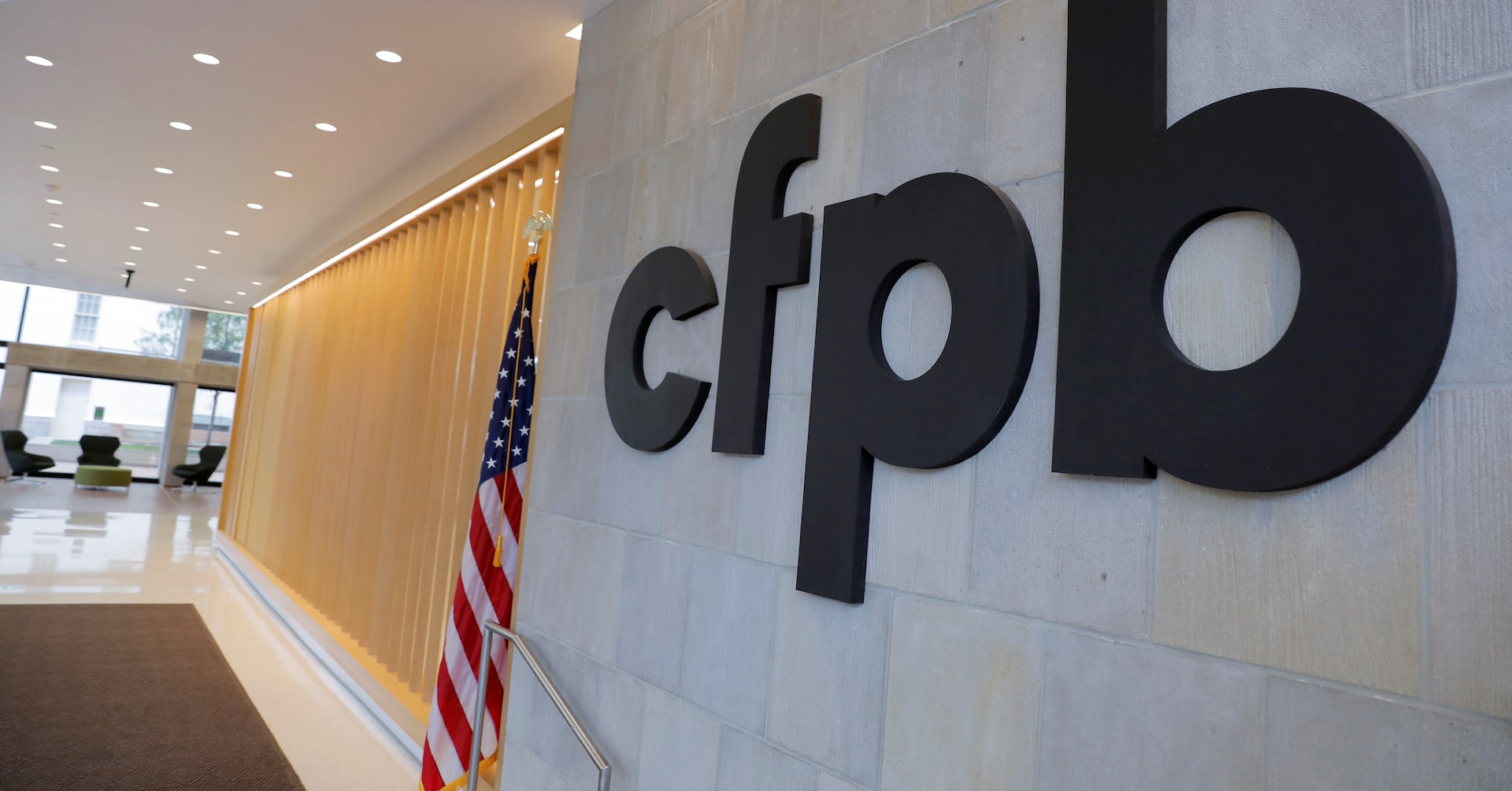
The Consumer Financial Protection Bureau (CFPB), the principal regulatory body overseeing retail financial services in the United States, has announced that it will propose a pivotal 'open banking' rule by October 2023. This development comes after extended advocacy for consumers to regain control over their banking data, a measure originally mandated by the Dodd-Frank Act in 2010.
During a recent congressional hearing, CFPB Director Rohit Chopra confirmed the agency’s timeline while addressing the House Financial Services Committee. "We want to make sure that standards are giving the ability for consumers and all market participants...to switch," said Chopra. He emphasized that empowering consumers would enhance service quality across the sector, noting that when individuals can “vote with their feet,” the industry will respond by improving services.
Chopra outlined that the CFPB is poised to finalize the rule by the following year, following a public notice and comment phase. This step is critical as it lays the groundwork for how consumers will direct the collection and use of their personal data within the ever-evolving fintech landscape.


In a blog post published shortly before the hearing, Chopra underscored the CFPB's commitment to consumer data control. The upcoming rule has the potential to reshape not only individual banking experiences but also the operational models of financial technology companies that rely on consumer data.
However, Chopra’s testimony was met with pushback from some Republican committee members. They expressed concerns over the CFPB's initiatives regarding demographic data collection for small business lending and the proposed limits on excessive credit card late fees. Among those objecting was Texas Republican Roger Williams, who previously introduced legislation aimed at nullifying the CFPB’s rule on small business lending that was finalized in March.

In the face of these challenges, Chopra defended the need for the CFPB to advocate for responsible lending practices and to protect consumers from high punitive fees. He argued, "We are committed to ensuring that all consumers have fair access to credit. This is essential in promoting a just financial system."
Impact and Legacy
As the CFPB gears up for the open banking rule, the financial industry's response is anticipated. Financial institutions and technology companies are closely monitoring these developments, as the rules could significantly influence competitive dynamics within the sector.


Analysts expect that if implemented effectively, the open banking proposal could herald a new era in banking, where consumers have unprecedented access to their data, allowing them to make more informed financial decisions. This change is seen as vital for enhancing competition and fostering innovation within the fintech space.
Looking Ahead
Looking ahead, the CFPB's proposal represents a significant stride toward consumer empowerment in the banking industry. The potential for improved service quality and greater transparency has the financial world abuzz with anticipation. As the agency moves toward finalizing the new regulations, the implications for both consumers and financial institutions will become clearer, setting the stage for a transformative moment in the financial services landscape.