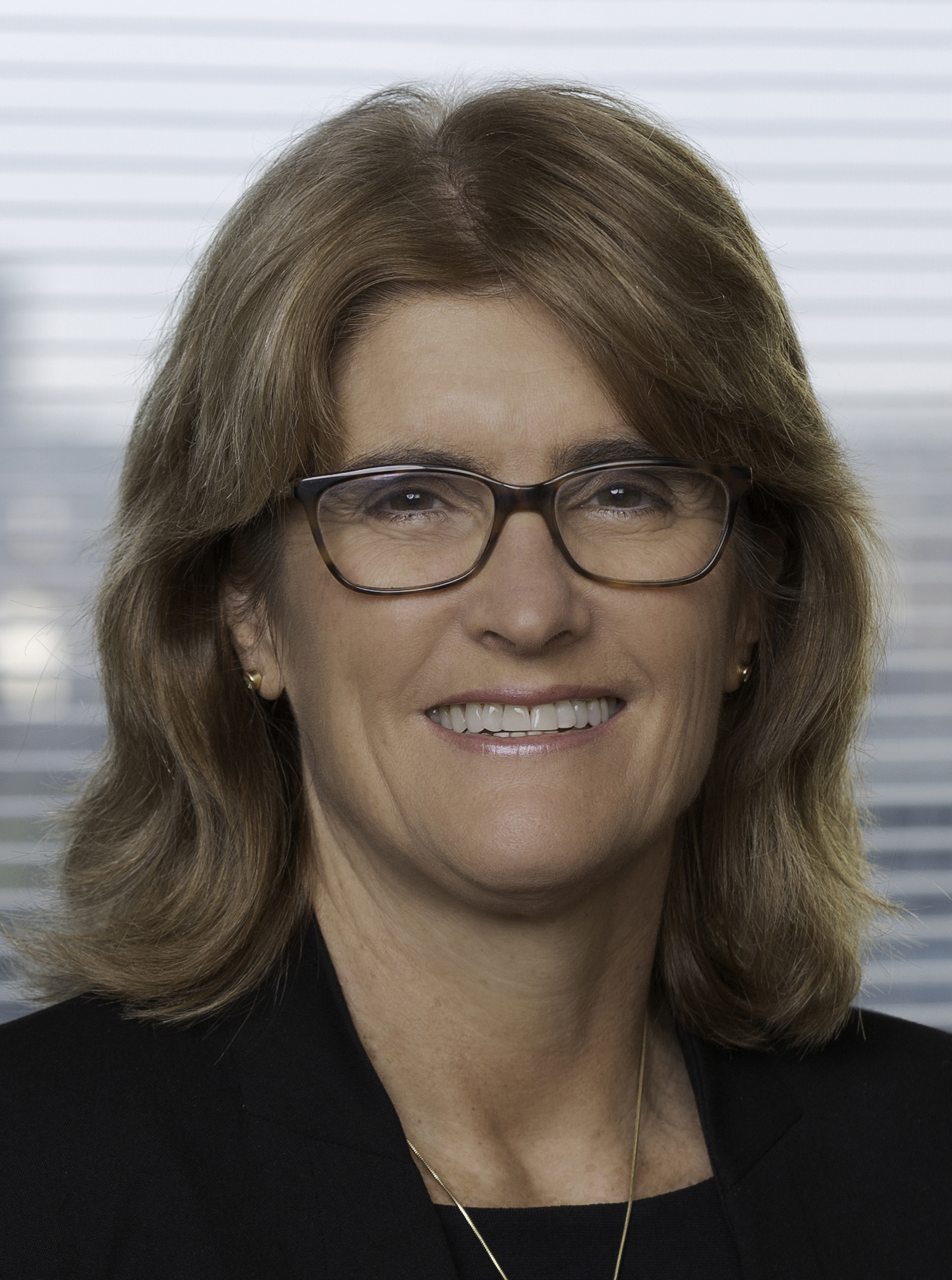
The Reserve Bank of Australia's decision this week to push the cash rate back up to 4.35% has drawn one of the sharpest political-economic responses of the cycle, with The Australia Institute's chief economist Greg Jericho describing Governor Michele Bullock's post-meeting press conference as a 'mask off' moment.
Jericho, in conversation with colleague Eleanor Robertson on the institute's podcast, focused on two admissions Bullock made on the day. The first was that the RBA does not weigh its dual mandate of full employment and stable inflation evenly. "It's also true that we don't give equal weight to both, and it depends a little bit on where we think the relative risks lie," Bullock told reporters.
For Jericho, that one sentence reframed the entire debate. "It is a bit of a mask off, because we'd long suspected this," he said. "Last year when we thought inflationary pressures were coming down, we were a bit more caring about the full employment thing. Let's be honest, you're always worried more about inflation than unemployment."
The second admission was even sharper. Pressed on what unemployment level she would be comfortable with, Bullock told longtime reporter Michael Pascoe, "I would hope that we can continue to have an unemployment rate in the fours." Pascoe had pointed out unemployment has hovered around 4% or lower for five years and asked whether the RBA was still treating that level as historically rare.
Robertson called the framing telling. "Could you imagine saying, 'I'd hope to keep inflation in the twos'? It's a very active versus passive approach," she said, noting Bullock has explicitly told markets the RBA is now aiming at the 2.5% midpoint of its 2-3% target band rather than the band itself.
Jericho argued the asymmetry runs deeper than rhetoric. The RBA, he said, defines full employment as whatever jobless rate is consistent with inflation sitting under 3% — which means full employment is effectively a residual of the inflation fight. "It's inflation all the way down," he said.
The most jaw-dropping moment, both presenters agreed, was Bullock conceding that this rate rise will not move headline inflation in the near term. As Jericho summarised her position: "These interest rate rises are not going to do anything for inflation in the next six months."

If the hike will not bring petrol prices down, why deliver it? Bullock's answer pointed at inflation expectations. "We've already seen expectations for inflation over the next year or so increase, and we need to ensure that this does not lead to higher inflation expectations over the longer term," she said.
Jericho was withering on that logic. Household inflation expectations, he argued, are dominated by petrol prices — the one number ordinary Australians stare at every day on a roadside sign — and rate hikes do nothing to move oil. The real fear, he suggested, is wage expectations and a 1970s-style wage-price spiral the RBA has been institutionally scarred by since Bullock joined the bank in 1985.
The Australia Institute's broader concern is who pays for that pre-emptive amputation. "The people going to be spending big and going for big wage rises are not the people who are getting hurt the most right now," Jericho said, pointing at young first-home borrowers, renters and workers with marginal labour-market attachment as the most exposed to a deliberate slowdown.